


Digital farming empowers smallholder farmers in Africa by bridging the knowledge gap, connecting them to fair-trade buyers, and enabling financial inclusion through mobile technology. This not only improves their livelihoods but also creates a more sustainable food system.

Across the vast and vibrant landscapes of Africa, a silent force drives the continent’s food security and rural economy: the smallholder farmer. These individuals, cultivating plots of land often less than two hectares, are the backbone of African agriculture. They are the ones nurturing the crops that feed families and communities, fostering rich biodiversity, and playing a crucial role in poverty reduction.
However, despite their immense contribution, smallholder farmers face a multitude of challenges. Limited access to resources like fertilizers, quality seeds, and irrigation systems hinders their productivity. Information about best practices, market trends, and weather forecasts often remains elusive. These constraints can trap farmers in cycles of low yield and food insecurity.
But a new wave of hope is surging across the African continent – the wave of digital innovation. Digital tools, from mobile apps to weather data platforms, are emerging as game-changers, empowering smallholder farmers to overcome these long-standing obstacles. In the following sections, we’ll delve deeper into the critical role smallholder farmers play in Africa, explore the specific challenges they face, and illuminate how digital tools hold the potential to unlock a new era of prosperity and agricultural advancement.
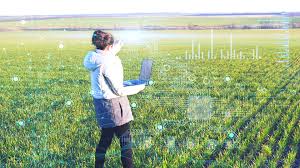
Bridging the Knowledge Gap: How Digital Farming Empowers Farmers with Information and Best Practices
For generations, farmers have relied on experience passed down through families and communities to nurture crops and raise livestock. While this traditional knowledge sharing holds immense value, it can be limited by factors like:
- Geographic Scope: Local knowledge may not address challenges specific to a different climate or soil type.
- Outdated Information: Agricultural practices and technologies constantly evolve, and traditional methods may not reflect the latest advancements.
- Limited Accessibility: Disseminating information through word-of-mouth can be slow and exclude farmers in remote areas.
This is where digital farming comes to the rescue. By leveraging mobile apps, online platforms, and other digital tools, farmers can bridge the knowledge gap and gain access to a wealth of resources, including:
- Up-to-date Agricultural Information: Digital platforms provide comprehensive information on planting techniques, pest control methods, and crop management tailored to specific locations and weather conditions. Imagine having access to real-time data on optimal sowing times or targeted pest control solutions based on the latest research – all at your fingertips!
- Best Practices from Successful Farmers Around the World: The digital world transcends geographical boundaries. Online forums and communities connect farmers with their peers across the globe, allowing them to learn from successful practices implemented in different regions. This cross-pollination of ideas fosters innovation and empowers farmers to adapt proven techniques to their contexts.
JOIN SMART COMMUNITY HERE: - Educational Resources and Tutorials: Digital platforms offer a treasure trove of educational resources, including video tutorials, webinars, and e-learning modules. These resources cater to farmers with varying levels of experience, providing in-depth explanations of complex agricultural concepts and step-by-step guides for implementing new technologies.
By embracing digital farming, farmers are no longer confined by the limitations of traditional knowledge sharing. Instead, they gain access to a constantly evolving pool of information and best practices, empowering them to make informed decisions, improve efficiency, and ultimately, achieve greater agricultural success.
From Farm to Fork: Digital Farming Bridges the Gap for Smallholder Farmers
Imagine a farmer, toiling under the sun, nurturing a bountiful harvest. But when it comes time to sell their crops, they face a harsh reality: limited reach and exploitative middlemen. This is the plight of many smallholder farmers, a challenge that significantly hinders their ability to earn a fair profit for their hard work.
The good news? The digital revolution is transforming agriculture, and at the forefront of this change is digital farming. By leveraging digital tools and platforms, smallholder farmers can now bridge the gap between farm and market, ensuring they receive a just reward for their produce.
The Struggles of Reaching Consumers
Traditionally, smallholder farmers have limited options when it comes to selling their crops. They often rely on local markets with restricted reach or worse, middlemen who take a hefty cut of the profits. This not only limits their income but also reduces their control over pricing and distribution.
Empowering Farmers Through Digital Platforms
Digital farming platforms are revolutionizing this dynamic. These online marketplaces connect farmers directly with consumers or fair-trade buyers, eliminating the need for exploitative middlemen. Farmers can list their produce, set their prices, and receive a larger share of the profits. Additionally, these platforms often offer features like secure payment processing and logistics support, streamlining the entire sales process.
Transparency and Knowledge at Their Fingertips
Digital farming empowers smallholder farmers beyond just market access. Price comparison tools allow them to compare prices across different markets, ensuring they get the best deal for their crops. Market trend analysis features provide valuable insights into consumer demand and future pricing fluctuations, allowing farmers to make informed decisions about planting and harvesting cycles.
The Future of Fair and Sustainable Agriculture
By bridging the gap between farm and market, digital farming is not just improving the lives of smallholder farmers, it’s also creating a more sustainable and equitable food system. With greater transparency and control, farmers are incentivized to adopt sustainable practices, leading to healthier crops and a reduced environmental footprint.
The digital revolution in agriculture is still unfolding, but its potential to empower smallholder farmers and create a more just and sustainable food system is undeniable. As digital farming continues to evolve, we can expect even more innovative solutions that will transform the agricultural landscape for the better.
Bridging the Gap: How Digital Farming Empowers Smallholders with Financial Inclusion
Smallholder farmers, the backbone of global food production, often face a significant hurdle: limited access to financial services. This lack of financial inclusion hinders their ability to invest in critical resources like seeds, fertilizers, and irrigation equipment, ultimately restricting productivity and income. However, the rise of digital farming solutions offers a powerful remedy, empowering smallholders with the tools they need to bridge the financial gap.
Traditionally, financial services have been largely out of reach for many smallholder farmers. Geographical remoteness, complex paperwork, and a lack of formal credit history can create barriers to obtaining loans from traditional banks. This limited access to credit restricts farmers’ ability to invest in improvements, hindering their ability to adapt to changing weather patterns, adopt new technologies, or scale their operations.
Digital farming solutions are revolutionizing this landscape. By leveraging mobile technology and online platforms, these solutions connect farmers directly with microfinance institutions and other lenders. This streamlines the loan application process, often eliminating the need for extensive paperwork. Additionally, digital tools can collect and analyze farm data, creating a creditworthiness profile based on a farmer’s production history and land ownership. This data-driven approach allows lenders to better assess risk and offer financial products tailored to the specific needs of smallholder farmers.
Furthermore, mobile payment platforms play a crucial role in ensuring secure and transparent financial transactions. Farmers can receive loans and repay them directly through their mobile phones, eliminating the risks associated with cash handling. This transparency also builds trust with lenders, potentially leading to more favorable loan terms for farmers in the long run.
In conclusion, the integration of digital tools into farming practices isn’t just about optimizing crop yields and resource management. It’s also about empowering smallholder farmers with financial inclusion. By bridging the gap between farmers and financial institutions, digital farming solutions unlock a world of possibilities, allowing smallholders to invest in their farms, increase their incomes, and become more resilient in the face of a changing agricultural landscape.
Smart Agriculture: Using Data to Optimize Yields with Digital Farming
The world’s population is growing, and so is the demand for food. To meet this challenge, farmers are turning to digital farming – a revolutionary approach that leverages technology to optimize yields and resource management. At the heart of digital farming lies precision farming, a data-driven strategy that empowers farmers to make informed decisions about their crops.
Precision Farming: Optimizing Every Acre
Precision farming replaces a one-size-fits-all approach with a targeted strategy. By collecting and analyzing data on various aspects of their fields, farmers can identify areas with specific needs. This allows for:
- Better Resource Management: Imagine applying fertilizer only to areas that require it, or adjusting irrigation based on real-time soil moisture data. Precision farming helps farmers optimize water usage, fertilizer application, and other resources, leading to significant cost savings.
- Increased Yields: With a deeper understanding of their crops’ health and environmental conditions, farmers can make adjustments to maximize yields. This might involve using targeted pest control measures or adjusting planting times based on weather forecasts.
Digital Tools: The Eyes and Ears of Your Farm
The foundation of precision farming hinges on the power of data. Here’s how digital tools play a crucial role:
- Soil Conditions: Sensors embedded in the ground can provide real-time data on factors like moisture levels, nutrient composition, and acidity. This allows for targeted fertilizer application and irrigation practices.
- Weather Patterns: Advanced weather monitoring systems can track rainfall, temperature, and humidity fluctuations. This helps farmers anticipate potential threats like frost or excessive rain and take necessary precautions.
- Crop Health: Drones equipped with multispectral cameras can capture detailed images of crops, revealing potential diseases, nutrient deficiencies, or pest infestations. With this information, farmers can implement targeted interventions to ensure healthy crops.
READ ALSO HERE: How Data Analysis Transforms Agriculture: Unlocking Efficient Profits and Sustainability
Data Analysis for Informed Decisions
The data collected through these digital tools is just the first step. To unlock its true potential, farmers need sophisticated data analysis tools. These tools can include:
- Cloud-Based Platforms: Cloud computing allows farmers to store and analyze vast amounts of data. Advanced software can identify trends and patterns, providing actionable insights into crop health and resource utilization.
- Machine Learning: Machine learning algorithms can analyze historical data and weather patterns to predict future trends. This allows farmers to plan proactively and adapt their strategies based on anticipated conditions.
By embracing digital farming and leveraging the power of data, farmers can write a new chapter in agriculture – one characterized by efficiency, sustainability, and bountiful harvests.

