Innovative approaches of food processing in sub-Saharan Africa and Southeast Asia
14-15 April 2016. Bonn, Germany. The German Ministry for Food and Agriculture (BMEL) and The Federal Office for Agriculture and Food (BLE) are planning to launch a call (June 2016) on:

“Innovative approaches of food processing in sub-Saharan Africa and Southeast Asia to improve nutrition and to reduce food losses in quality and quantity”


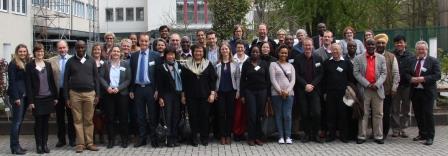
For this reason the BLE organised an international expert workshop to identify the actual research needs and to evaluate the state of the art in this field.
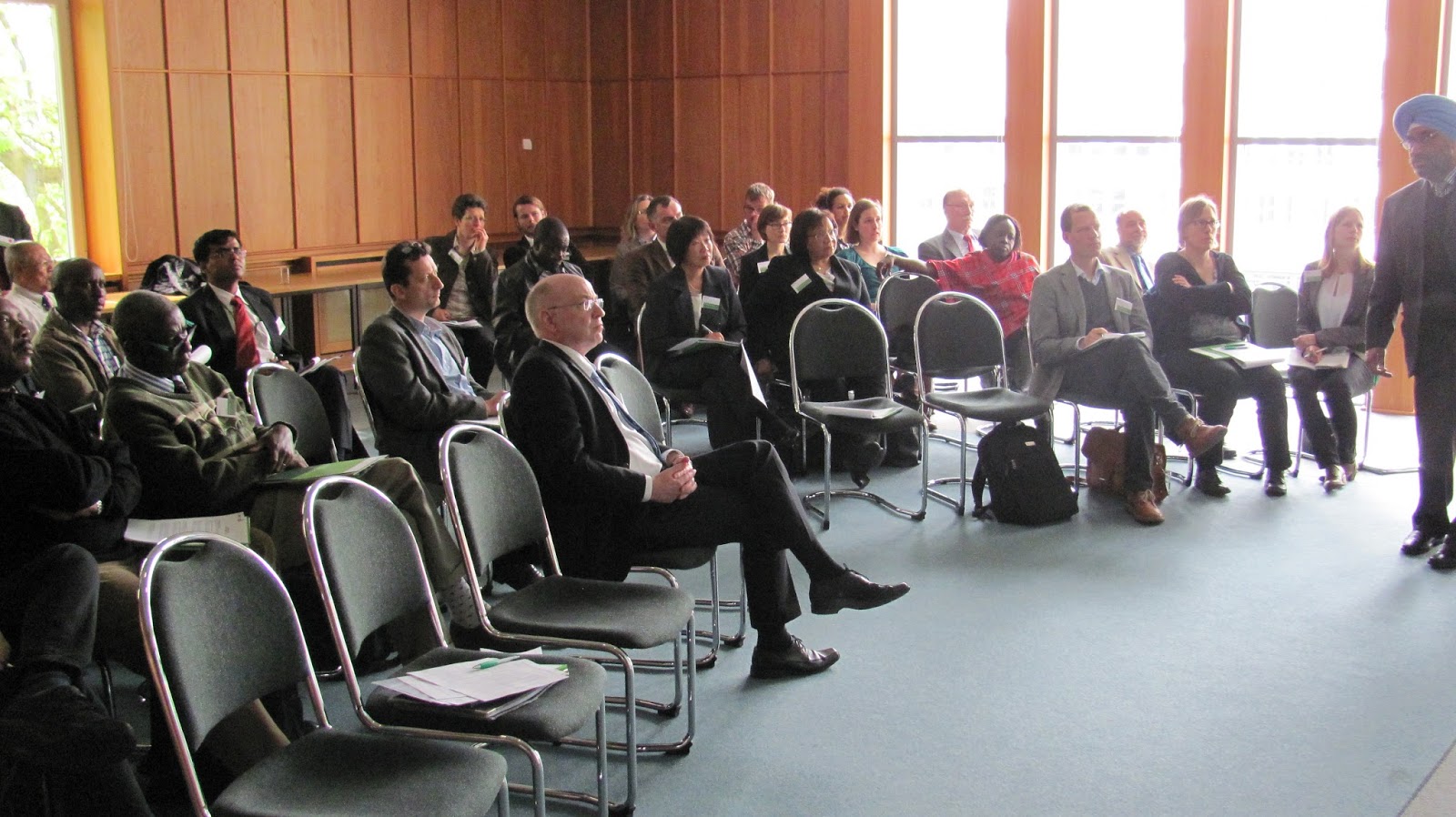
Aims of the workshop
The German Ministry for Food and Agriculture (BMEL) promotes the development of “Research Cooperation for Food Security and Nutrition” with agricultural and nutritional research institutions in partner countries and in Germany. Programme administrator is the Federal Office for Agriculture and Food (BLE). The objective of this funding programme is to build long lasting international research partnerships between German and respective partner countries' research organizations. The funded research seeks to contribute to innovative and reasonable approaches, adapted to the requirements of the partner
countries, to improve food security and nutrition.

In preparation for the upcoming call under this programme, the BLE organized a workshop to clarify the research needs in the areas of food processing, preservation, packaging, and distribution (marketing, transport). The overall goal is to improve nutrition, reduce seasonal food insecurity as well as food and nutrient losses and further develop supply chains in the partner countries.
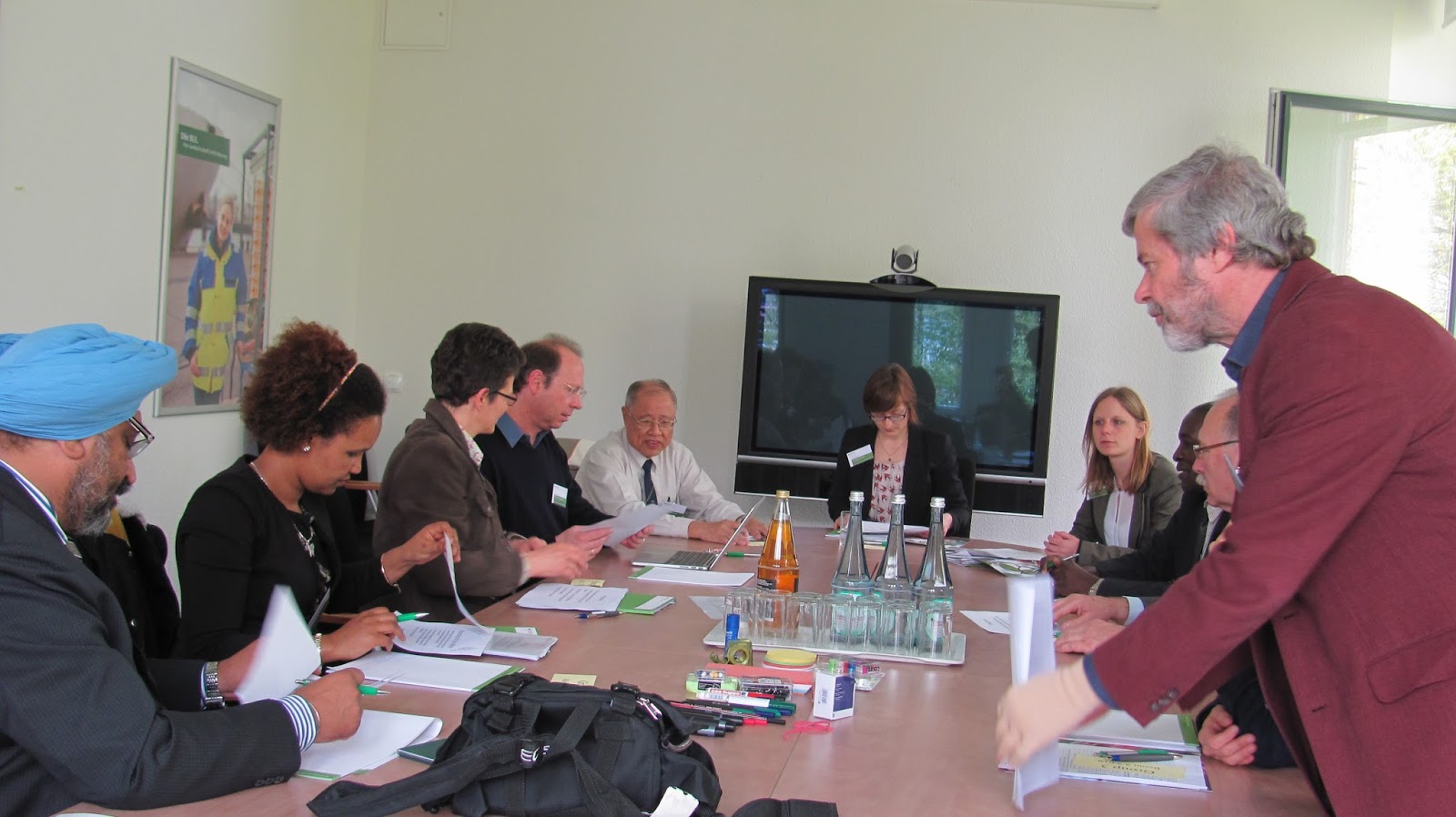
Key issues that required clarification were:

  • Who are the actors working in the field of food processing, preservation, packaging and distribution? What is the state of the art regarding research in this area?
  • What are the restrictions and limiting factors and bottle necks for developing countries?
  • What are the research priorities?
Share
Continue reading

Africa Must Collectively Innovate to Industrialise Agriculture – CAADP CEO

The Chief Executive Officer (CEO) of the NEPAD Agency, Dr Ibrahim Mayaki, has called on African stakeholders to collectively innovate so as to ensure necessary impacts are made in agriculture investment, reports NaijaAgroNet.

Speaking at the 12thComprehensive Africa Agriculture Development Partnership Platform (CAADP PP) meeting convened by the African Union Commission in collaboration with the NEPAD Agency in Ghana, Dr. Mayaki Africa can only make progress if the actors collectively innovate and agree to account for the resources injected, results and impact that may ensue.


“Indeed, as a continent, with a community of destiny, we cannot afford to invest into our agriculture the same way we have been doing thus far,” he said


The meeting brought together over 300 participants.  High level African leadership included the former President of Ghana John Kufour; former Nigerian President Olusegun Obasanjo and Dr Agnes Kalibata, President of Alliance for a Green Revolution in Africa.  Also present were Regional Economic Communities, government ministries, farmers’ organisations, the private sector, civil society and development partners.  


In her opening remarks at the CAADP PP meeting, H.E Ms Tumusiime Rhoda Peace, Commissioner for Rural Economy and Agriculture of the African Union Commission said, the only way to sustainably deliver on African agricultural commitments is to mobilize our own continental human and financial resources. “We need to build strong partnerships for an accountable and efficient implementation of the CAADP Agenda since investment in agriculture makes good economic sense,” she said.


The Ghanaian Deputy Minister for Food and Agriculture, Dr Ahmed Yakubu Alhassan declared that CAADP is the most ambitious agricultural reform agenda ever undertaken on the continent, as an African-led and owned development framework.  Innovative financing for agriculture in Africa is also critical for rural transformation.


In keeping with the theme of the meeting on Innovative Financing and Renewed Partnership to Accelerate Implementation of CAADP, Dr Mayaki reiterated that Africa must innovate because we need to design new and fit-for-purpose instruments that are able to help deal with the emerging trends, challenges and opportunities.


“The issue of Risk Management is a typical example of where we need to propose innovative instruments that meet the needs of the countries. The remedies and solutions of the past may not work with the ever more complex issues of today,” Dr Mayaki said.


Concurring with the fact that farmers are at the heart of transforming the agricultural sector, Philip Kiriro, President of the Eastern Africa Farmers Federation expressed satisfaction with the progress made in CAADP thus far.


Christoph Rauh, Deputy Director of BMZ, sub-Saharan Africa, stated that young people need to be involved, as agriculture needs to provide good business and employment for the youth.  “It is time to talk less and do more in order for results and impact to be achieved,” he said.


Agricultural transformation will be realised when industrialisation of the sector is finally achieved. This was the consensus from the different representatives.


It is expected that the 12th CAADP PP meeting will generate a number of key actionable activities to speed up implementation through financial innovation and partnerships to deliver the Malabo Declaration and the Africa Union “Agenda 2063” - a strategic framework for the socio-economic transformation of the continent over the next 50 years. 

+Remmy Nweke +Naija AgroNet
... Linking agrobiz, sustainable environs, people & technology
Continue reading

Nigeria, Arla Foods in talks to develop dairy sector

As part of the follow up to the recent meeting between the Prime Minister of Denmark, Mr. Lars Loekke Rasmussen and President Muhammadu Buhari, a high-powered Nigerian delegation from the Federal Ministry of Agriculture and Rural Development on Wednesday held talks in Denmark with Arla Foods on the development of the dairy sector in Nigeria, reports NaijaAgroNet.

Arla Foods, NaijaAgroNet notes, is one of the world’s largest dairy companies. The visit is Arla’s second milestone in its declared commitment to invest in local production in Nigeria and help create a more sustainable local dairy industry, following the presentation of it's signed letter of intent to Nigeria’s Minister for Agriculture and Rural Development, Chief Audu Ogbeh. Arla's Letter of Intent was presented in February 2016 at the same meeting where Denmark’s Minister of Foreign Affairs, Kristian Jensen signed a letter of Intent with the Nigerian Minister of Agriculture to cooperate on the development of the local agriculture sector in Nigeria.


The Nigerian delegation was made up of the key line departments responsible for the dairy development comprising Dr. Gideon Mshelbwala, Director, Veterinary Services and Pest Control; Dr. Mrs. Egejuru Eze, Director. Animal Production and Husbandry as well as Senior Technical Adviser to the Minister, Dr. Andrew Kwasari and Hon. Saleh Hassan, Member, House of Representatives’ Committee on Agriculture.


Welcoming the delegation to one of Arla’s dairy farms, Steen Hadsbjerg, Senior Vice President and Head of Arla Foods for Sub-Saharan Africa, stated that, Nigeria is key to Arla’s ability to sell its farmer owners’ milk in West Africa in the future. 

Hadsbejerg declared, “we understand that developing the Nigerian local dairy industry to create a sustainable value chain that contributes to food security, local jobs and prosperity are important issues for the government. The Nigerian government welcomes companies and initiative that will help this development.”


"The purpose of this visit is for Arla to understand the challenges in developing a sustainable dairy sector in Nigeria and how Arla can most effectively contribute to the solution. It is also for Arla to share our knowledge and experience about how our farmer owners have organised and developed their value chain.The result will benefit Arla’s opportunities whilst ensuring the good development of the dairy market in Nigeria for the benefit of all parties,” Hadsbjerg further said.


Senior Technical Adviser to the Minister, Dr. Andrew Kwasari, said, “this visit has been an eye opener for me. Arla is an organised cooperative that has done very well and work in a sustainable manner. Arla is run by the farmers themselves and to protect the interest of their farmer colleagues and ensure better returns on their milk, they set a higher standard for their milk quality than expected by the government.”


“We hope for a partnership with Arla and knowledge sharing that will help us empower Nigerian farmers who face multiple challenges with logistics, infrastructure, organisation, quality and productivity. We could definitely see Arla as a partner to help build a sustainable dairy industry in Nigeria from the very beginning based on its globally proven concept of 'Dairy enterprise of the farmers, for the farmers by the farmers,” he said.


Speaking during a tour of the Arla facility in Copehangen, Member, House of Representatives’ Committee on Agriculture, Hon. Hassan Saleh, commended Arla Foods for its high production standard saying, “Arla Foods has demonstrated it is a very organised company and their processes are impeccable resulting in high quality products. I am very impressed with what I have seen and I believe that Arla will be a good partner to help us improve our milk production and make it more sustainable.” 


Saleh also said, “Nigeria will need both local farmers and imported products, so there will be a market for both in the future and I see a strong future for Arla in Nigeria. We will not be self-sufficient for some years to come.”


In continuation of their visit to Denmark, members of the Nigerian delegation also attended round table discussions with Arla and Danish food and agriculture companies where they shared knowledge about farm and dairy technology solutions and discussed potential partnerships to help develop the Nigerian dairy industry.


Nigeria spends $1.3b dollars on dairy imports. The Nigerian government’s target is to double the milk production over the next three to four years so as to meet up with domestic consumption and export. 


... Linking agrobiz, sustainable environs, people & technology

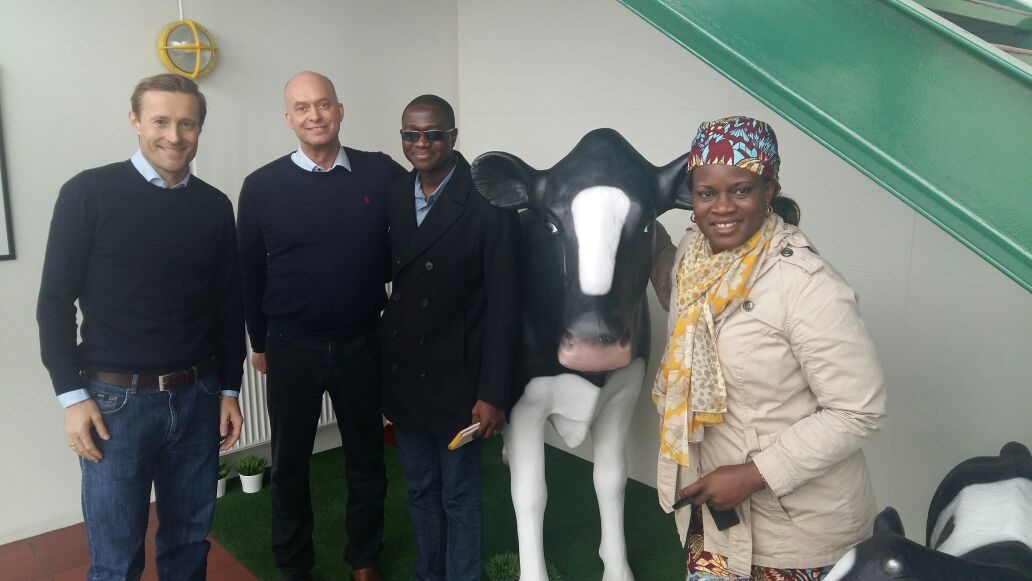
Pix: L-R: Mr. Kasper Thormod Nielson,  Director, Trade Policy, Arla Foods, Mr.Steen Hadsberg, Head of Sub-Saharan Africa, Arla International, Dr. Andrew Kwasari, Senior Technical Assistant to the Minister for Agriculture and Mrs. Heather Akanni,Technical Assistant to the Minister, Quality Control and Standardization during a visit of the Federal government delegation to Arla Foods' Slagelse Dairy farm in Denmark on Wednesday 13, April 2016.
Continue reading

Drones assist Philippine farmers prepare for climate disasters

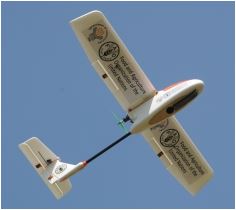
The government of the Philippines in collaboration with the Food and Agriculture Organisation (FAO) has started using unmanned aerial drones to assess where farmlands are most at risk from natural disasters and quickly assess damages after they strike, NaijaAgroNetreports.

This, NaijaAgroNet also reports is in a bid to stay ahead of the negative impacts of climate change, floods and typhoons on food security, especially in the Philippines.


In addition, under a pilot phase of the still-fledgling project funded by the Ministry of Agriculture of the Philippines and the FAO, two drones have already been sent soaring over the Philippines provinces that have been affected by the current El Niño.


NaijaAgroNet equally reports that some 25 FAO and government technical experts are ready to be deployed across the archipelago to support drone missions. They were recently trained over three weeks on how to fly the drones and learned a range of remote aerial assessment methods.


The drones, NaijaAgroNet reports, are equipped with navigation and photogrammetric equipment that could generate detailed and data rich maps from aerial photographs including Normalized Difference Vegetation Index or NDVIa formula used for assessing vegetation and plant health.


Data gathered, NaijaAgroNet gathered, could be used to see where agricultural systems are at particular risk from natural disasters and identify ways through which such risks can be countered, for example, through ground contouring, building retaining walls, or planting protective vegetation.


Capable of covering up to 600 hectares a day, the drones should significantly accelerate the process of risk analysis, according to Christopher Morales, Director of Field Operations for the Philippines Department of Agriculture.


"It is efficient, it saves time and we will be using a reliable source of data so that we can plan and provide appropriate interventions and responses for our farmers in times of disasters and calamities," he said.


"Additionally, imagery generated from drone flights can reveal where agricultural infrastructure projects and service facilities like irrigation or storage facilities could be sited to best serve local farmers. The technology can also potentially support in the assessment of coastal and forest areas." said Jose Luiz Fernandez, FAO Representative in the Philippines.


... Linking agrobiz, sustainable environs, people & technology
Continue reading