Innovative approaches of food processing in sub-Saharan Africa and Southeast Asia
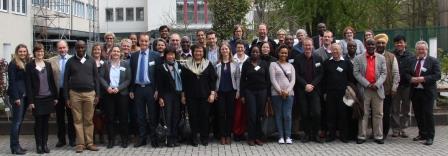
14-15 April 2016. Bonn, Germany. The German Ministry for Food and Agriculture (BMEL) and The Federal Office for Agriculture and Food (BLE) are planning to launch a call (June 2016) on:

“Innovative approaches of food processing in sub-Saharan Africa and Southeast Asia to improve nutrition and to reduce food losses in quality and quantity”


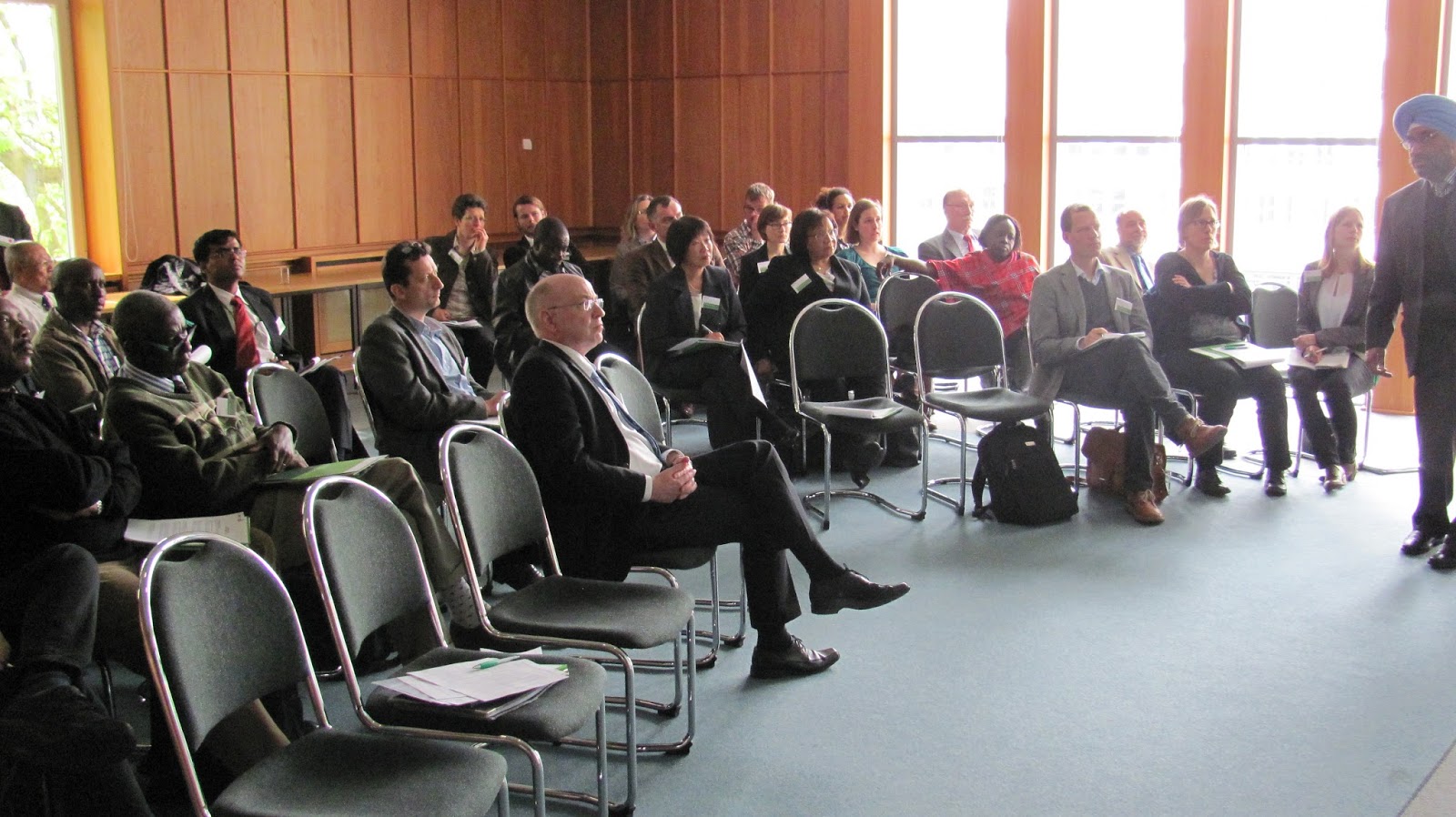
For this reason the BLE organised an international expert workshop to identify the actual research needs and to evaluate the state of the art in this field.
Aims of the workshop
The German Ministry for Food and Agriculture (BMEL) promotes the development of “Research Cooperation for Food Security and Nutrition” with agricultural and nutritional research institutions in partner countries and in Germany. Programme administrator is the Federal Office for Agriculture and Food (BLE). The objective of this funding programme is to build long lasting international research partnerships between German and respective partner countries' research organizations. The funded research seeks to contribute to innovative and reasonable approaches, adapted to the requirements of the partner
countries, to improve food security and nutrition.

In preparation for the upcoming call under this programme, the BLE organized a workshop to clarify the research needs in the areas of food processing, preservation, packaging, and distribution (marketing, transport). The overall goal is to improve nutrition, reduce seasonal food insecurity as well as food and nutrient losses and further develop supply chains in the partner countries.
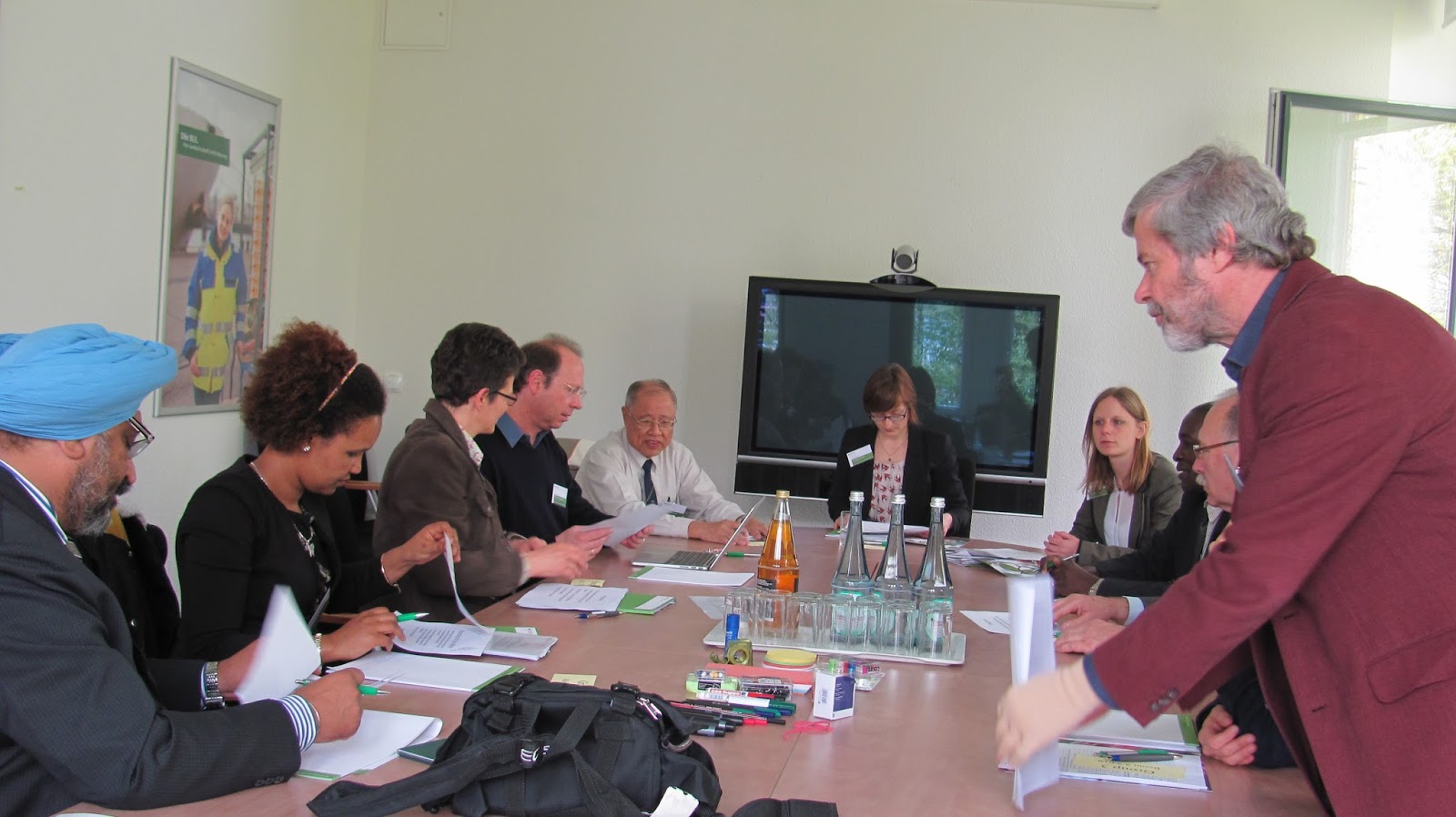
Key issues that required clarification were:

  • Who are the actors working in the field of food processing, preservation, packaging and distribution? What is the state of the art regarding research in this area?
  • What are the restrictions and limiting factors and bottle necks for developing countries?
  • What are the research priorities?
Share
Continue reading

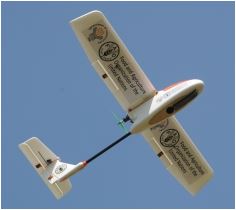
Drones assist Philippine farmers prepare for climate disasters

The government of the Philippines in collaboration with the Food and Agriculture Organisation (FAO) has started using unmanned aerial drones to assess where farmlands are most at risk from natural disasters and quickly assess damages after they strike, NaijaAgroNetreports.

This, NaijaAgroNet also reports is in a bid to stay ahead of the negative impacts of climate change, floods and typhoons on food security, especially in the Philippines.


In addition, under a pilot phase of the still-fledgling project funded by the Ministry of Agriculture of the Philippines and the FAO, two drones have already been sent soaring over the Philippines provinces that have been affected by the current El Niño.


NaijaAgroNet equally reports that some 25 FAO and government technical experts are ready to be deployed across the archipelago to support drone missions. They were recently trained over three weeks on how to fly the drones and learned a range of remote aerial assessment methods.


The drones, NaijaAgroNet reports, are equipped with navigation and photogrammetric equipment that could generate detailed and data rich maps from aerial photographs including Normalized Difference Vegetation Index or NDVIa formula used for assessing vegetation and plant health.


Data gathered, NaijaAgroNet gathered, could be used to see where agricultural systems are at particular risk from natural disasters and identify ways through which such risks can be countered, for example, through ground contouring, building retaining walls, or planting protective vegetation.


Capable of covering up to 600 hectares a day, the drones should significantly accelerate the process of risk analysis, according to Christopher Morales, Director of Field Operations for the Philippines Department of Agriculture.


"It is efficient, it saves time and we will be using a reliable source of data so that we can plan and provide appropriate interventions and responses for our farmers in times of disasters and calamities," he said.


"Additionally, imagery generated from drone flights can reveal where agricultural infrastructure projects and service facilities like irrigation or storage facilities could be sited to best serve local farmers. The technology can also potentially support in the assessment of coastal and forest areas." said Jose Luiz Fernandez, FAO Representative in the Philippines.


... Linking agrobiz, sustainable environs, people & technology
Continue reading

Coming to Nigeria Soon: The Malanville Innovation Platform (IP) and Rice Parboiling Technologies

9 February 2016. The SARD-SC project rice component in collaboration with AfricaRice and INRAB have installed energy efficient GEM rice parboiling technologies and innovations in the Malanville Innovation Platform (IP) in the irrigated rice ecology of northern Benin Republic.

The formal launch of the Malanvile IP, which attracted almost 1000 women from the nooks and cranny of the country, witnessed the presence of policy makers such as the mayors of Malanville and Gaya, Niger. It also provided additional policy incentive to the operationalization of the IP.

To efficiently use and manage the Grain quality Enhancer, Energy, efficient and durable material rice technologies(GEM) facility, 538 women rice parboilers including 10 from Gaya in Niger, were trained on processing and adding value to locally produced rice. Over a period of two months, these women households learned skills on rice parboiling and value addition as well as the management of the GEM parboiling facility.

The training alone resulted in 8 tonnes of quality parboiled rice which is already attracting consumers within and outside the Malanville community. As part of the IP process, 12 youths (10 male and 2 female) are being facilitated to learn various skills on rice processing and adding value and operation of equipment and farming tools.

The formal opening was attended by the IITA/SARD-SC Coordinator, Dr Chrys Akem. He remarked that in general, the SARD-SC project has challenges in effectively addressing gender equity – active involvement of women in project activities. The deployment of the GEM rice parboiler in the Malanville IP has fully demonstrated that pairing gender sensitive technological innovation with institutional change, can significantly bring about gender mainstreaming in agricultural productivity programs and projects.

The Malanville IP also received milling machine and other farming equipment from AfricaRice through the Japan Emergency. One of the youths of the Malanville IP who was trained on the use of farming equipment indicated that with appropriate machinery, he realized that rice farming can be enjoyable and not a burden. He is motivated to start his own rice farm in addition to the help given to the household farms. The Mayor of Malanville, Dandakoe Inoussa said that “The GEM parboiler and other technologies and innovations should be rolled out in northern parts of Nigeria close to Malanville, as well as Gaya in Niger, because we are the same people. We share the same values and culture, and can easily share and learn productivity enhancing technologies and innovations to improve livelihoods.”

To date, over 1000 women households have been reached through the GEM technology and innovations in two IPs in Benin. The GEM is being rolled out in combination with enhanced packaging and branding of locally produced rice to attract urban rice consuming households and contribute to raising incomes of women and employment opportunities for youth in the rural economy. Already, Nasarawa in Nigeria and Gaya in Niger in consultation with their respective research institutes, have requested for the GEM technology and innovation and these will be deployed in Nigeria and later in Niger.
Share
Continue reading

Looking for Healthy Eating? Come to Africa!

Many diets in Africa contain a plethora of
 nutritious leafy greens. Photo credit: Joan Baxter
A 2015 study published by The Lancet Global Health journal looked at the consumption of food (both healthy and unhealthy items) and nutrients in 187 countries in 1990 and then again in 2010. The aim was to determine which countries had the world’s healthiest diets.

It found that none of the healthiest ten diets is in a wealthy Western nation, nor are any in Asia. Most were found in Africa, which is so often portrayed as a continent of constant famine in need of foreign know-how and advice on how to eat and to grow food.

And yet, of the ten countries with the healthiest diets on earth, nine of them are African.

What’s more, the three countries with the very best diets are some the world’s poorest. Chad, ranked as having “very low human development”, 185th of 188 nations on the United Nation 2015 Human Development Index, has the world’s healthiest diet. After that come Sierra Leone and Mali, 181st and 179th on the same Index.

Many diets in Africa contain a plethora of nutritious leafy greens. Photo credit: Joan Baxter

The only non-African country on the top ten list is Israel, in ninth place. Other African nations with the best diets are, in descending order: The Gambia, Uganda, Ghana, Côte d’Ivoire, Senegal and Somalia.

This doesn’t mean that these countries have no food insecurity, hunger or malnutrition. But it does mean that it is time for a serious rethink on how “development” affects diets – especially among the development agencies, international institutions and donors in the (sometimes lucrative and self-serving) business of food aid or improving food security and nutrition in Africa.

The authors of the study conclude that their results have “implications for the reduction of disease and economic burdens of poor diet by lowering the consumption of unhealthier foods, increasing the consumption of healthier foods, or both”.
But this is unlikely to happen so long as the development initiatives claiming to improve food security and eliminate malnutrition in Africa fail to recognize that their technological and market fixes may well encourage a nutrition transition away from healthy traditional diets and foods. And in doing so, they may merely compound the problems caused by already high rates of undernutrition with a whole set of new diet-related health issues.
Share
Continue reading