


Rabbit farming is a profitable and rewarding venture, but many farmers make costly mistakes that affect productivity and profitability. Whether you are just starting or have been in rabbit farming for a while, understanding these common pitfalls can help you improve your farming practices and avoid unnecessary losses.
Some of the biggest mistakes in rabbit farming and how to prevent them
Poor Housing Design

One of the biggest mistakes in rabbit farming is improper housing. Rabbits need well-ventilated, dry, and predator-proof cages to thrive. Many farmers use wooden cages that absorb urine, leading to a build-up of bacteria and diseases. To avoid this, invest in well-structured wire mesh hutches with proper drainage to keep the environment clean and safe for your rabbits.
Overcrowding the Rabbitry
A common error in rabbit farming is keeping too many rabbits in a small space. Overcrowding increases stress, aggression, and disease spread. Each rabbit should have enough space to move freely. Ensure adequate spacing in cages to improve air circulation and reduce competition for food and water.
Feeding the Wrong Diet
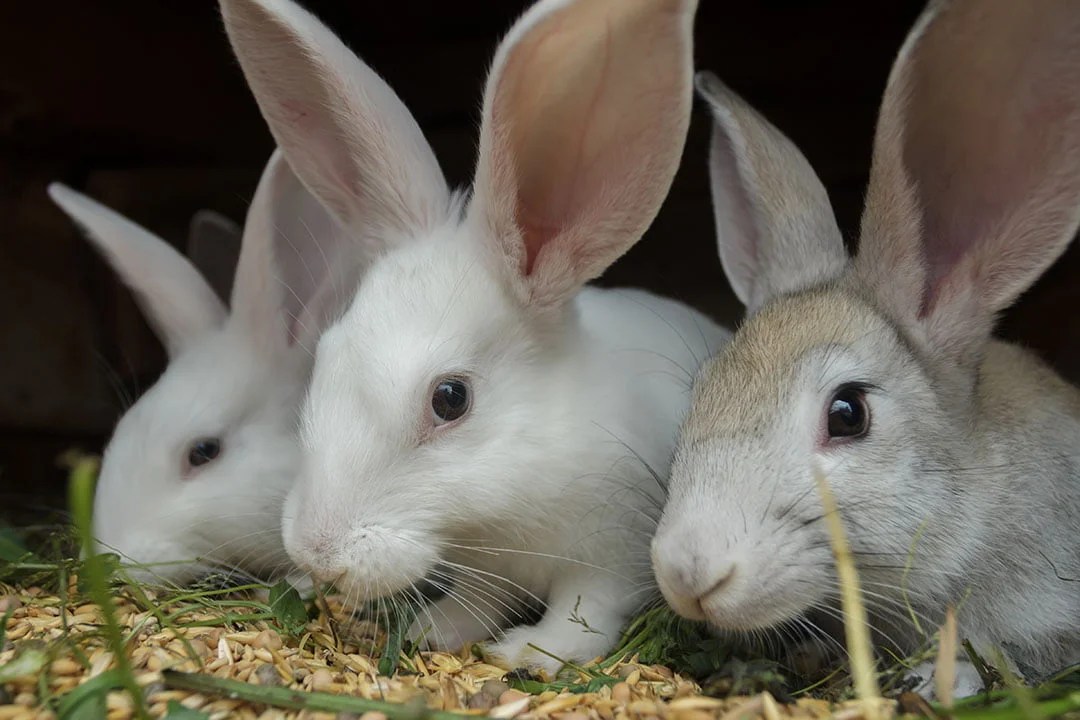
Many farmers in rabbit farming make the mistake of feeding rabbits a poor diet. Rabbits require a balanced diet that includes fresh hay, quality pellets, and fresh vegetables. Feeding only grains or kitchen scraps can lead to digestive issues and poor growth. Always provide clean water and a nutritious diet to keep your rabbits healthy.
Ignoring Breeding Guidelines
Breeding mistakes in rabbit farming can lead to weak or unhealthy offspring. Some farmers breed rabbits too frequently, which exhausts the does and results in low-quality litters. It is essential to allow enough recovery time between breeding cycles and avoid inbreeding by introducing new breeding stock periodically.
Lack of Disease Prevention Measures
One of the most costly mistakes in rabbit farming is neglecting disease prevention. Rabbits are prone to illnesses like snuffles, coccidiosis, and ear mites. Many farmers fail to implement proper hygiene and vaccination practices. Regularly clean cages, provide fresh food and water, and quarantine sick rabbits to prevent disease outbreaks.
Poor Record-Keeping
Many rabbit farmers fail to keep records of breeding dates, health status, and feeding schedules. Without proper records, tracking growth rates, monitoring productivity, and managing breeding efficiently becomes difficult. Keeping detailed records will help you make informed decisions and improve farm management.
Failing to Identify Market Demand

A mistake many beginners make in rabbit farming is not researching the market before starting. Some farmers produce more rabbits than they can sell, leading to losses. Before expanding your rabbitry, identify reliable buyers, restaurants, pet stores, or processing plants that need rabbits.
Using Low-Quality Breeding Stock
Choosing the wrong breeding stock is a major setback in rabbit farming. Some farmers start with rabbits that have genetic defects or poor growth rates. Always source high-quality breeds from reputable farms to ensure strong and productive rabbits for meat or breeding purposes.
Handling Rabbits Incorrectly

Improper handling of rabbits can cause stress, injuries, and even death. Many new rabbit farmers lift rabbits by their ears or tails, which is harmful. Always handle rabbits gently by supporting their hind legs and body to avoid causing distress.
Neglecting Biosecurity Measures
In rabbit farming, biosecurity is crucial to prevent disease outbreaks. Some farmers allow visitors to handle their rabbits without sanitisation or introduce new rabbits without quarantine. Always isolate new arrivals before mixing them with existing stock and limit unnecessary farm visits to keep your rabbits safe.
Rabbit farming can be highly profitable if managed correctly, but common mistakes can lead to serious losses. By providing proper housing, ensuring good nutrition, maintaining hygiene, and keeping accurate records, farmers can improve productivity and avoid costly errors.
READ ALSO: Rabbit Farming: Rearing for Profit from Home

