


Learn 3 simple farm equipment maintenance hacks to extend the lifespan of your machinery, prevent costly repairs, and save money throughout the year.
3 Farm Equipment Maintenance Hacks Every Farmer Needs to Know to Save Money
Picture this: You’re neck-deep in planting season, the sun beating down, and your trusty tractor decides to take a permanent vacation. Smoke starts billowing from the hood, strange noises erupt from the engine, and your heart sinks faster than a stone in a well. You know what’s coming: a hefty repair bill that could leave your wallet lighter than a feather.
According to the American Society of Agricultural and Biological Engineers [ASABE], the average cost of a farm equipment repair can hover around $1,200, not including parts! Now, imagine that happening multiple times a year. Yikes!
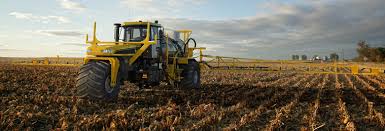
The good news? This scenario doesn’t have to be your farming reality. Here’s where the magic of farm equipment maintenance comes in. By implementing a regular maintenance routine, you can significantly reduce the likelihood of unexpected breakdowns and the wallet-crushing repair bills that come with them.
This blog post is your one-stop shop for all things farm equipment maintenance. We’ll delve into the essential maintenance tasks for various types of equipment, provide tips for creating a customized maintenance schedule, and guide you through troubleshooting common issues before they snowball into major repairs. So, ditch the pit of despair and join us on the path to smooth-running, cost-saving farm equipment!
Conquer Downtime and Extend Equipment Life: The Ultimate Guide to Farm Equipment Maintenance Schedules
For farmers, uptime is everything. When a tractor sputters or a combine stalls mid-harvest, it can mean lost crops, wasted resources, and a significant financial blow. That’s where a proactive farm equipment maintenance schedule comes in – your secret weapon for maximizing efficiency and keeping your operation running smoothly.
Why Proactive Maintenance Schedules Rule the Farm
Imagine this: you’re neck-deep in harvesting your golden wheat, and suddenly, your combine coughs and splutters to a halt. Precious time ticks by while you diagnose the problem and scramble for repairs. This scenario is a nightmare for any farmer, but it’s a common consequence of reactive maintenance – fixing things only when they break.
Proactive maintenance flips the script. By following a scheduled plan of inspections, replacements, and adjustments, you catch minor issues before they snowball into major breakdowns. Here’s how a proactive approach benefits your farm:
- Reduced Downtime: Regular maintenance prevents surprise equipment failures, keeping your operation running like a well-oiled machine. No more scrambling for repairs during critical harvest windows.
- Extended Equipment Life: Just like your own body, farm equipment thrives with preventative care. Regular maintenance slows down wear and tear, extending the lifespan of your valuable machinery.
- Cost Savings: Proactive maintenance might seem like an extra expense at first, but it pales in comparison to the hefty costs of emergency repairs and part replacements. By catching problems early, you save money in the long run.
- Improved Safety: Faulty equipment can pose serious safety hazards. Proactive maintenance ensures your machinery operates safely and reduces the risk of accidents on the farm.

Get Your Hands on a Free Farm Equipment Maintenance Schedule Template
We know you’re busy, so we’ve created a guide to farm equipment maintenance schedule template to get you started. This customizable template allows you to list your specific equipment, schedule maintenance tasks, and track completion.
READ HERE: Ultimate Guide to Modern Farm Equipment: Boosting Efficiency and Sustainability
Farm Equipment Maintenance Basics: A Quick Guide
Now that you’re armed with a template, let’s delve into some key maintenance tasks for common farm equipment:
- Tractors: Regular oil changes, filter replacements, and checks of belts, hoses, and fluid levels are crucial. Don’t forget to inspect tires for wear and tear and maintain proper air pressure.
- Combines: Before each harvest season, thoroughly inspect the combine’s cutting system, belts, and grain handling components. Regularly clean and lubricate these parts to ensure smooth operation.
- Mowers: Sharpen blades regularly for optimal cutting performance. Check tire pressure and inspect belts and pulleys for wear and damage.
Remember, this is just a starting point! Consult your equipment manuals for specific maintenance recommendations for your machinery.
By implementing a proactive farm equipment maintenance schedule, you’re taking control of your operation’s efficiency and profitability. So, ditch the reactive approach, embrace prevention, and watch your farm flourish with maximized uptime and healthy, long-lasting equipment.
Farm Equipment Maintenance: DIY Fixes to Keep Your Operation Running Smoothly (But Know When to Call in the Pros!)
Keeping your farm equipment in top shape is crucial for a successful and efficient operation. Regular maintenance can prevent costly breakdowns, save you time in the long run, and extend the lifespan of your valuable machinery. However, it’s important to be honest with yourself about your skill set. There will be times when complex repairs are best left to certified technicians.
This guide focuses on simple DIY Farm Equipment Maintenance tasks that every farmer can tackle, empowering you to become more self-sufficient while keeping your operation running smoothly.
DIY Farm Equipment Maintenance Essentials:
- Greasing: Regularly lubricating moving parts is essential to prevent friction and wear. Consult your equipment manual for specific grease points and recommended types of grease.
- Filter Checks: Dirty air, oil, and fuel filters can rob your engine of power and efficiency. Make it a habit to inspect and replace filters according to the manufacturer’s recommendations.
- Air Pressure: Maintaining proper air pressure in your tires is crucial for optimal performance, fuel efficiency, and safety. Underinflated tires can lead to blowouts and damage to your equipment.
BUY HERE
Safety First!
Before starting any maintenance task, always refer to your equipment’s operator’s manual for specific instructions and safety precautions. Here are some general safety tips:
- Park on level ground and engage the parking brake.
- Turn off the engine and allow it to cool completely.
- Disconnect the battery to prevent accidental starts.
- Wear appropriate safety gear, such as gloves, safety glasses, and sturdy footwear.
Finding DIY Farm Equipment Maintenance Resources:
A wealth of information is available to help you with DIY Farm Equipment Maintenance. Here are some reputable resources to get you started:
- Reputable Manufacturer Websites: Most equipment manufacturers offer detailed owner’s manuals and service guides on their websites, often available for free download.
- Farm Equipment Forums: Online forums are a great place to connect with other farmers, share experiences, and find solutions to common maintenance challenges.
Remember, when a task seems beyond your skillset or comfort level, don’t hesitate to call a qualified technician. Their expertise can save you time, money, and potential headaches in the long run.
Don’t Get Stuck in the Field: How the Right Tools Make Farm Equipment Maintenance a Breeze
Every farmer knows the importance of keeping their equipment in top shape. But what separates smooth operation from frustrating breakdowns? Having the right tools on hand! The right equipment maintenance tools can save you time, money, and a whole lot of sweat during those crucial moments.
How the Right Tools Make Farm Equipment Maintenance Easier and Faster
Imagine this: Your tractor sputters and coughs to a halt in the middle of planting season. Without the proper tools, diagnosing and fixing the problem could take hours, even days. With a well-stocked toolbox, however, you can quickly identify the issue, perform repairs, and get back in the field fast. The right tools:
- Increase Efficiency: The correct wrench size means no time wasted wrestling with stubborn bolts. A dedicated grease gun lets you quickly lubricate critical components, preventing wear and tear.
- Improve Accuracy: Specialty tools designed for specific equipment tasks ensure proper adjustments and repairs, minimizing the risk of further damage.
- Boost Confidence: Knowing you have the right tools for the job empowers you to tackle maintenance tasks with confidence, reducing dependence on outside help.
Essential Tools Every Farmer Should Have
Every farm toolbox should include a core set of tools for general maintenance. Here’s a basic list to get you started:
- Wrenches: A good set of wrenches in both standard and metric sizes is crucial for tackling nuts and bolts of various dimensions.
- Screwdrivers: Invest in a set of flathead and Phillips screwdrivers in multiple sizes to handle a variety of screws encountered during maintenance.
- Pliers: Adjustable pliers and locking pliers offer versatility for gripping, twisting, and cutting various objects.
- Socket wrench set: A socket wrench set with a variety of attachments allows for quick and easy tightening and loosening of nuts and bolts, especially on machinery with limited clearance.
- Tape Measures: Having a reliable tape measure is essential for accurate measurements during repairs and adjustments.
- Flashlight: A good flashlight is a must for illuminating dark corners and tight spaces while working on equipment.
- Grease gun: Regular lubrication is key to preventing wear and tear. A grease gun lets you efficiently apply grease to fittings on your machinery.
Specialty Toolkits for Specific Equipment
Beyond the essential toolbox, consider investing in specialty toolkits designed for your specific farm equipment. These kits often contain tools specifically designed for adjustments, repairs, and maintenance tasks on particular tractors, mowers, planters, and other machinery.
By having the right farm equipment maintenance tools on hand, you can keep your operation running smoothly, minimize downtime, and ensure your valuable equipment lasts for years to come. So, don’t wait until a breakdown to invest in your toolbox. Your future self (and your wallet) will thank you!

