


This beginner’s guide explores different types of pesticides used in agriculture, including insecticides and herbicides.
Imagine a world where half your dinner disappears before it even reaches your plate. That’s the harsh reality farmers face without essential tools like pesticides. But what exactly are pesticides, and why are they so critical for agriculture?

Feeding a growing global population is no small feat. Agriculture, the backbone of our food system, faces constant challenges. One of the biggest threats comes from a tiny army of unwanted guests: pests. From pesky insects to destructive diseases, these invaders can devastate crops, leaving farmers with significant losses.
This is where pesticides step in as a crucial line of defense. Let’s delve deeper into the world of pesticides, exploring their role in protecting our crops and ensuring a stable food supply
Pesticides are vital in protecting our precious gardens from destructive insects and diseases. But with great power comes great responsibility! Improper pesticide use can have unintended consequences, harming beneficial insects, polluting waterways, and even posing risks to human health.
In this blog post, we’ll delve into responsible pesticide use. We’ll explore why it matters, equip you with the knowledge to make informed choices and guide you towards a safe and sustainable approach to flourishing your garden.
So, ditch the fear and frustration, and join us as we unlock the secrets to a thriving, healthy garden – achieved with responsible pesticide practices!

Insecticides: Defending Crops and Homes from Pest
In our quest for a thriving garden, we often face a silent war against insects that munch on leaves, burrow into fruits, and disrupt the delicate balance of our ecosystem. This is where insecticides come in – chemical or biological warriors designed to keep these unwanted guests at bay. But how exactly do these insecticides work their magic (or mayhem)?
The Arsenal Against Arthropods: Common Insecticides
- Neonicotinoids: These systemic insecticides are absorbed by plants, making them toxic to insects that feed on them. They’re popular for their effectiveness at low doses but have raised concerns about harming pollinators like bees.
- Pyrethroids: Synthetic mimics of a natural compound found in chrysanthemums, pyrethroids are fast-acting and have low toxicity to mammals. However, their environmental impact and potential for insect resistance are considerations.
- Organophosphates (OPs): Once widely used, OPs disrupt the insect nervous system. While effective, their toxicity to humans and other animals has led to restrictions on their use.
The Two Sides of the Coin: Benefits and Drawbacks of Insecticides
Benefits:
- Protect crops and livestock: Insecticides safeguard valuable food sources from insect damage, improving agricultural yields and protecting livestock from pests.
- Control disease vectors: Mosquitoes and other insects can transmit diseases. Insecticides help control these populations, reducing the spread of illness.
- Protect our homes and gardens: Insecticides keep unwanted insects out of our living spaces and safeguard our precious plants.
Drawbacks:
- Harm to beneficial insects: Insecticides can harm bees, butterflies, and other beneficial insects, disrupting ecosystems and pollination.
- Development of resistance: Overuse of insecticides can lead to insects developing resistance, rendering the product ineffective.
- Environmental impact: Some insecticides can persist in the environment, contaminating soil and water sources.
The Bottom Line: Insecticides are a powerful tool, but one that needs to be wielded responsibly. Consider non-chemical alternatives like habitat modification or natural predators whenever possible. If using insecticides is necessary, choose targeted products with minimal environmental impact and follow application instructions carefully. Remember, a healthy ecosystem is one where even the unwanted bugs play a role.
Pesticides Used in Agriculture: Herbicides
Keeping crops healthy and productive is a constant battle for farmers. One of the biggest threats comes from unwanted plants – weeds. They compete with crops for water, nutrients, and sunlight, significantly reducing yields. This is where herbicides come in – they are essential tools in a farmer’s arsenal for protecting their crops.
What are Herbicides and How Do They Work?
Herbicides are a type of pesticide specifically designed to control weeds. They work in various ways depending on the specific herbicide. Some common methods include:
- Disrupting growth: These herbicides interfere with the weed’s ability to produce essential proteins or hormones, stunting their growth and eventually killing them.
- Targeting specific parts: Some herbicides target specific parts of the weed, such as the roots or leaves, effectively stopping their ability to function and survive.
- Systematic control: These herbicides are absorbed by the weed and travel throughout its system, ultimately killing the entire plant.
Common Types of Herbicides:
There’s a wide variety of herbicides available, each suited for different types of weeds and crops. Here are two main categories:
- Non-selective herbicides: These broad-spectrum herbicides kill a wide range of plants, including most weeds and grasses. Glyphosate, one of the most common herbicides globally, falls into this category. It’s particularly useful for clearing land before planting or controlling weeds in areas where desirable plants aren’t present.
- Selective herbicides: These herbicides target specific weeds while leaving crops unharmed. This is achieved by exploiting differences in how plants absorb or metabolize the herbicide. For example, some selective herbicides target the broadleaf weeds commonly found in cornfields, leaving the narrow-leaf corn plants untouched.
The Impact of Weeds and the Role of Herbicides in Increasing Yield
Weeds are a significant threat to crop production. They compete with crops for vital resources, reducing the amount of water, nutrients, and sunlight available to the desired plants. This can lead to stunted growth, lower yields, and even crop failure.
Herbicides play a crucial role in managing weeds and increasing crop yields. By controlling weeds, farmers ensure their crops have the resources they need to thrive. Studies have shown that effective weed control can significantly increase yields, sometimes by as much as 50% or more.
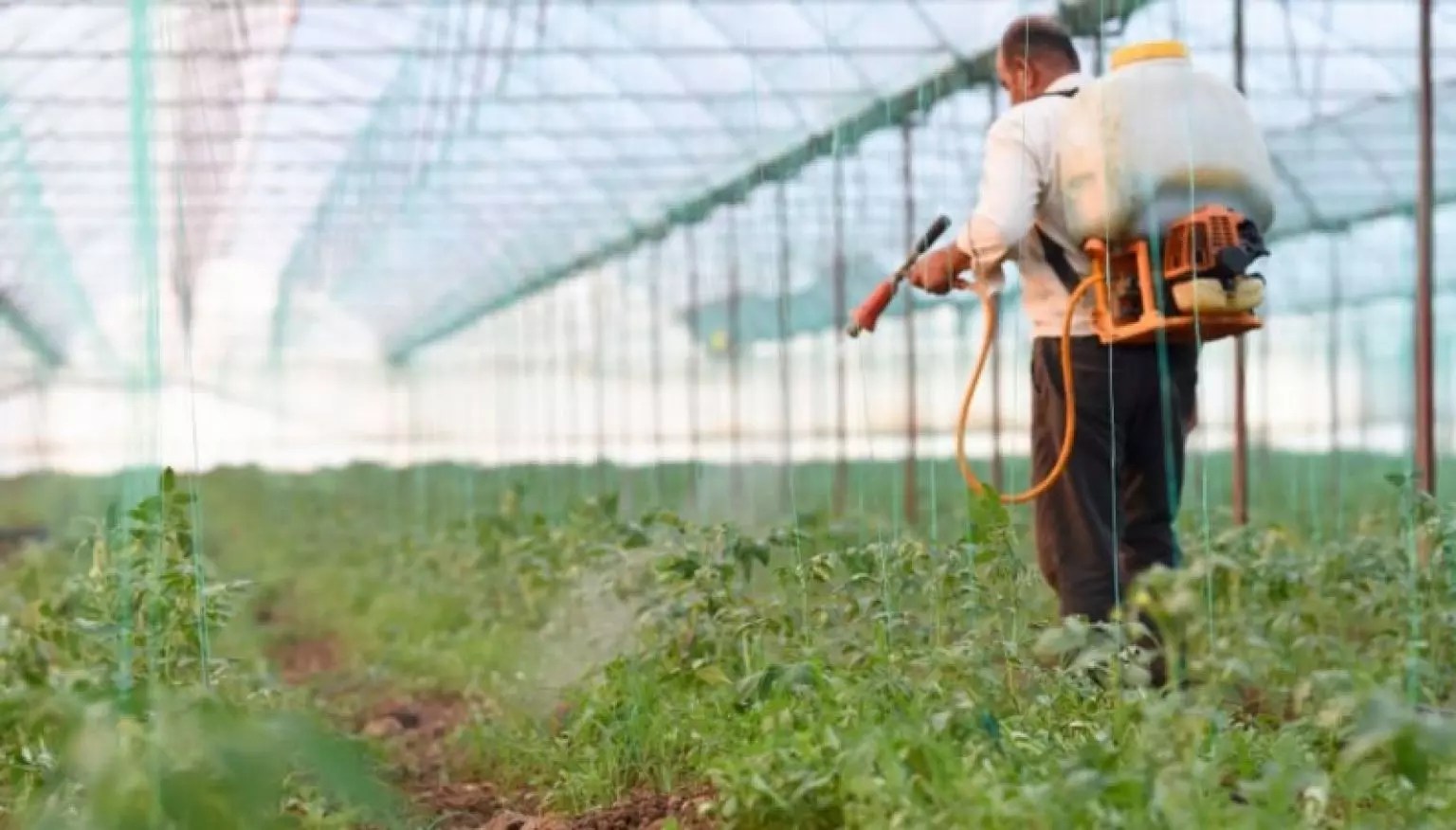
Beyond Chemical Control: Taking a Sustainable Approach with Integrated Pest Management (IPM)
For many, the word “pest” conjures images of grabbing a can of spray and dousing the problem. But what if there was a better way? A way to control unwanted critters while protecting our health and the environment? Enter Integrated Pest Management (IPM), a sustainable approach to pest control that goes beyond the chemical crutch.
IPM in a Nutshell
Think of IPM as a smart and strategic pest control plan. It focuses on long-term prevention and minimizing pest populations through a combination of tactics. This reduces reliance on chemical pesticides, which can be harmful to people, beneficial insects, and the environment.
Kicking the Chemical Habit
So how does IPM cut down on chemical use? Here’s the key: IPM stresses monitoring pest populations. We only take action when necessary, and often, non-chemical methods are just as effective. This not only saves money but also disrupts the natural cycle less, preventing pests from developing resistance to chemicals.
The IPM Toolbox
IPM boasts a diverse toolkit for tackling pests. Here are a few examples:
- Crop Rotation: Planting different crops in sequence disrupts pest life cycles, making it harder for them to establish themselves.
READ ALSO: Principles and Benefits of Crop Rotation in Agriculture
- Beneficial Insects: Ladybugs love to munch on aphids, and lacewings gobble up whiteflies. Introducing these natural predators can be a powerful weapon against garden pests.
- Habitat Modification: Making your environment less hospitable to pests goes a long way. Sealing cracks and keeping areas clean removes hiding spots and food sources.
- Physical Barriers: Exclusion methods like screens and traps physically prevent pests from entering your home or garden.
Pesticides are essential tools for protecting crops from pests and diseases. However, responsible use is crucial to minimize environmental impact and safeguard human health. By understanding the different types of pesticides and employing Integrated Pest Management (IPM) techniques, we can ensure a safe and sustainable food supply for all. IPM promotes a holistic approach that prioritizes non-chemical methods and minimizes reliance on chemical pesticides. This not only protects the environment and beneficial insects but also helps prevent pests from developing resistance. Remember, a healthy ecosystem is one where all living things play a role, even the unwanted bugs. Let’s work together to cultivate a thriving agricultural landscape that promotes balance and sustainability.


2 thoughts on “Types of Pesticides Used in Agriculture: A Clear Beginner Guide to Prevent Pest.”
Why are pesticides so important in agriculture and how do they protect crops from pests and diseases?
Regard Telkom University
The Importance of Pesticides in Agriculture
Pesticides are crucial in modern agriculture for several reasons:
Increased Crop Yield: They protect crops from a wide range of pests, diseases, and weeds, leading to significantly higher crop yields.
This is essential to feed the growing global population.
Improved Crop Quality: Pesticides help maintain the quality of crops by preventing damage that can affect taste, appearance, and nutritional value.
Cost-Effective: By preventing crop losses, pesticides help farmers maintain profitability and keep food prices affordable for consumers.
Food Safety: Some pesticides protect crops from pathogens that can cause foodborne illnesses, ensuring the safety of our food supply.
How Pesticides Protect Crops
Pesticides work by interfering with the life cycle of pests or the growth of pathogens. Here’s a breakdown of how different types of pesticides protect crops:
Insecticides: Kill or repel insects that damage crops by feeding on them, laying eggs on them, or transmitting diseases.
Herbicides: Control weeds that compete with crops for water, nutrients, and sunlight.
Fungicides: Prevent and control fungal diseases that can cause crop damage and loss.
Rodenticide: Control rodents that can damage crops and spread diseases.
It’s important to note that while pesticides are essential tools, they should be used responsibly and in accordance with best practices to minimize their impact on the environment and human health.