Guinea Fowl Keets (Local Breed | Foreign Breed)
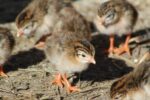
Welcome to Afrimash’s premier selection of Guinea fowl, where we offer both robust local strains and high-performance foreign breeds to meet the needs of every Nigerian poultry farmer. Whether you are starting a new flock or enhancing an existing one, our healthy, vaccinated keets (chicks) and mature breeders are sourced for vitality, disease resistance, and superior productivity. Guinea fowl, often called “nature’s watchdogs,” are not only a profitable venture for meat and egg production but also provide invaluable pest control, making them an exceptional asset for any integrated farm.
This guide will explore the distinct advantages of both local and foreign breeds, helping you make an informed decision to maximize your farm’s potential.
Why Invest in Guinea Fowl? Key Benefits for the Modern Farmer
Guinea fowl are one of the most resilient and versatile poultry species, offering a unique set of advantages:
-
Exceptional Disease Resistance: Guineas are renowned for their hardiness and robust immune systems, showing higher resistance to common poultry diseases like Newcastle disease and fowl pox compared to chickens. This translates to lower mortality rates and reduced veterinary costs.
-
Superior Pest Control: They are voracious consumers of insects, including ticks, flies, beetles, and even snails. This makes them a powerful, natural solution for reducing pest populations in your yard, garden, or crop farm, which can help lower the incidence of tick-borne diseases in livestock.
-
Low-Maintenance Husbandry: Adapted to foraging, Guinea fowl require less supplemental feed than chickens when given adequate space. They are thrifty birds that thrive with minimal intervention.
-
Unique Market Appeal: Guinea fowl meat is a lean, dark meat known for its gamey, rich flavor and high protein content. It is considered a delicacy and commands a premium price in local and niche markets. Their eggs are also richer and thicker than chicken eggs, offering a unique product for your customers.
-
Natural Alarm System: Their loud, distinctive call at the sight of any intruder—be it a snake, hawk, or stranger—makes them excellent watchbirds, alerting you and your other livestock to potential danger.
Choosing Your Breed: A Comparison of Local vs. Foreign Guinea Fowl
Understanding the differences between our local Nigerian Guinea fowl and improved foreign breeds is crucial for selecting the right bird for your operation.
Local Guinea Fowl (Numida meleagris galeata)
Our local breeds are the foundation of Guinea fowl farming in Nigeria. They are the product of generations of natural selection, making them perfectly adapted to the local climate and conditions.
-
Origin & Adaptation: Indigenous to West Africa, these birds are acclimatized to the heat, humidity, and common pathogens found in Nigeria. They require little to no special housing.
-
Appearance: Typically pearl-gray with white dots, they are slightly smaller and more streamlined than their foreign counterparts.
-
Key Strengths:
-
Superior Hardiness: They possess unparalleled resistance to local diseases and parasites.
-
Expert Foragers: They are incredibly efficient at finding their own food, making them the most low-cost option to maintain.
-
Thermo-Tolerant: Highly adapted to the hot Nigerian climate.
-
Considerations:
-
Lower Production Output: They are more seasonal layers and may produce fewer eggs and less meat than selectively bred foreign strains.
-
Stronger Flocking & Flying Instinct: They can be more independent and prone to wandering if not properly managed or pinioned.
Foreign Guinea Fowl (e.g., French Guinea, White Guinea)
These are improved strains, often from Europe or America, that have been selectively bred over decades for enhanced meat and egg production.
-
Origin & Adaptation: Bred from African stock but developed in controlled environments abroad. They may require slightly more management (e.g., shelter, balanced feed) to express their full genetic potential in Nigeria.
-
Appearance: Often larger and heavier-bodied. The French Guinea is typically a darker gray, while the White Guinea is pure white—a trait that can be desirable for dressed carcasses as it results in a cleaner-looking, pin-feather-free skin.
-
Key Strengths:
-
Enhanced Growth Rate & Carcass Yield: They reach market weight faster and provide a heavier, meatier carcass.
-
Higher Egg Production: Selected for prolificacy, they tend to lay more eggs per hen per season.
-
Calmer Disposition: While still active, they are often described as being slightly less flighty and easier to contain than local varieties.
-
Considerations:
-
Slightly Less Hardy: While still robust, they may not possess the same level of innate disease resistance as the local breeds that have evolved in the region.
-
Higher Input Costs: To achieve their genetic potential for growth and egg-laying, they perform best on a balanced poultry feed ration.
Comparative Summary Table
Housing, Feeding, and Management Best Practices
Housing: Provide a secure, dry, and well-ventilated coop to protect them from rain and predators. They roost high, so provide sturdy perches. For biosecurity, a minimum of 3-4 square feet per bird inside the coop and 10-15 square feet in an outdoor run is ideal.
Feeding: While excellent foragers, Guinea fowl require a balanced diet for optimal production. Start keets on a high-protein game bird starter crumble (24-26% protein) for the first 5-6 weeks. Transition to a game bird grower feed (18-20% protein) until they are of laying age. Laying hens will benefit from a layer feed with adequate calcium. Always provide access to grit and clean, fresh water.
Management:
-
Pinioning: To prevent flying, you can pinion (surgically remove the tip of one wing) the keets at day-old. This is a permanent solution.
-
Brooding: Guinea keets are more delicate than chicken chicks. They require a draft-free brooder with a temperature of 95°F (35°C) in the first week, reduced by 5°F each subsequent week. Use a brooder lamp with a red bulb to prevent cannibalism.
-
Integration: If integrating with chickens, do so while they are still young and ensure there is plenty of space to reduce aggression.
Related



 Delivery: We deliver on time, within 3 to 7 days
 Secure Payment:
Enjoy safe encrypted payments
Secure Payment:
Enjoy safe encrypted payments
 Returns and Refunds: Your money is safe with us





Verified owner dadenugba (verified owner) –
This was my first time buying from Afrimash and I was truly amazed by the professionalism of the staff and organization especially Dr. Blessing and Ms. Opeyemi who went beyond the call of duty to ensure the poultry birds arrived on time for pickup and the aftercare they provided checking that the chicks arrived safely and care given them. They are a pride to your organization.
Keep it up.