









Poultry farming is a cornerstone of Nigerian agriculture, providing affordable protein and income for millions of households. To ensure your chickens thrive, selecting the right chicken feed types is essential. The type of feed you choose depends on the age, purpose (egg production, meat, or breeding), and nutritional needs of your birds. In Nigeria, where poultry farming faces challenges like high feed costs and variable quality, understanding chicken feed types can make a significant difference.
Why Chicken Feed Types Matter

Choosing the appropriate chicken feed types is critical for healthy and productive chickens. Each feed type is formulated to meet specific nutritional needs at different stages of a chicken’s life. In Nigeria, where farmers often deal with fluctuating feed prices and availability, using the right chicken feed types can reduce waste, improve growth, and boost profitability. From starter feed for chicks to pellets for layers, let’s break down the main chicken feed types and their uses.
Starter Feed: Building a Strong Foundation
Starter feed is the first of the chicken feed types given to chicks from day one to 6–8 weeks. This finely ground mash or mini crumbles is packed with high protein to support rapid growth and strong immunity. In Nigeria, where diseases can threaten young chicks, starter feed is crucial for building a robust body structure. Its soft texture makes it easy for chicks to digest, ensuring they get the nutrients needed to thrive in the early stages. For farmers in Lagos or Kano, sourcing quality starter feed is a vital step in raising healthy poultry.
Crumble Feed: Supporting Growing Chicks
As chicks grow into pullets (6–18 weeks), crumble feed becomes the ideal choice among chicken feed types. This partially broken-down pellet feed is less dusty than mash and encourages feeding while remaining easy to consume. Crumbles are perfect for transitioning young birds from starter feed to more solid forms like pellets. For Nigerian farmers, crumble feed helps reduce feed waste, which is critical given the high cost of poultry inputs. It ensures growing chicks get balanced nutrition to prepare them for egg-laying or meat production.
Textured Feed: Encouraging Natural Behaviour
Textured feed is a mix of grains, seeds, and supplements, making it one of the more engaging chicken feed types for older chickens and layers. This feed encourages natural pecking behaviour, keeping birds active and well-fed. In Nigeria, where layers are common for egg production, textured feed can improve feed intake and egg quality. It’s particularly useful for free-range or semi-intensive systems in rural areas like Oyo or Enugu, where chickens benefit from a varied diet that mimics their natural foraging habits.
Pellet Feed: Efficient and Balanced Nutrition
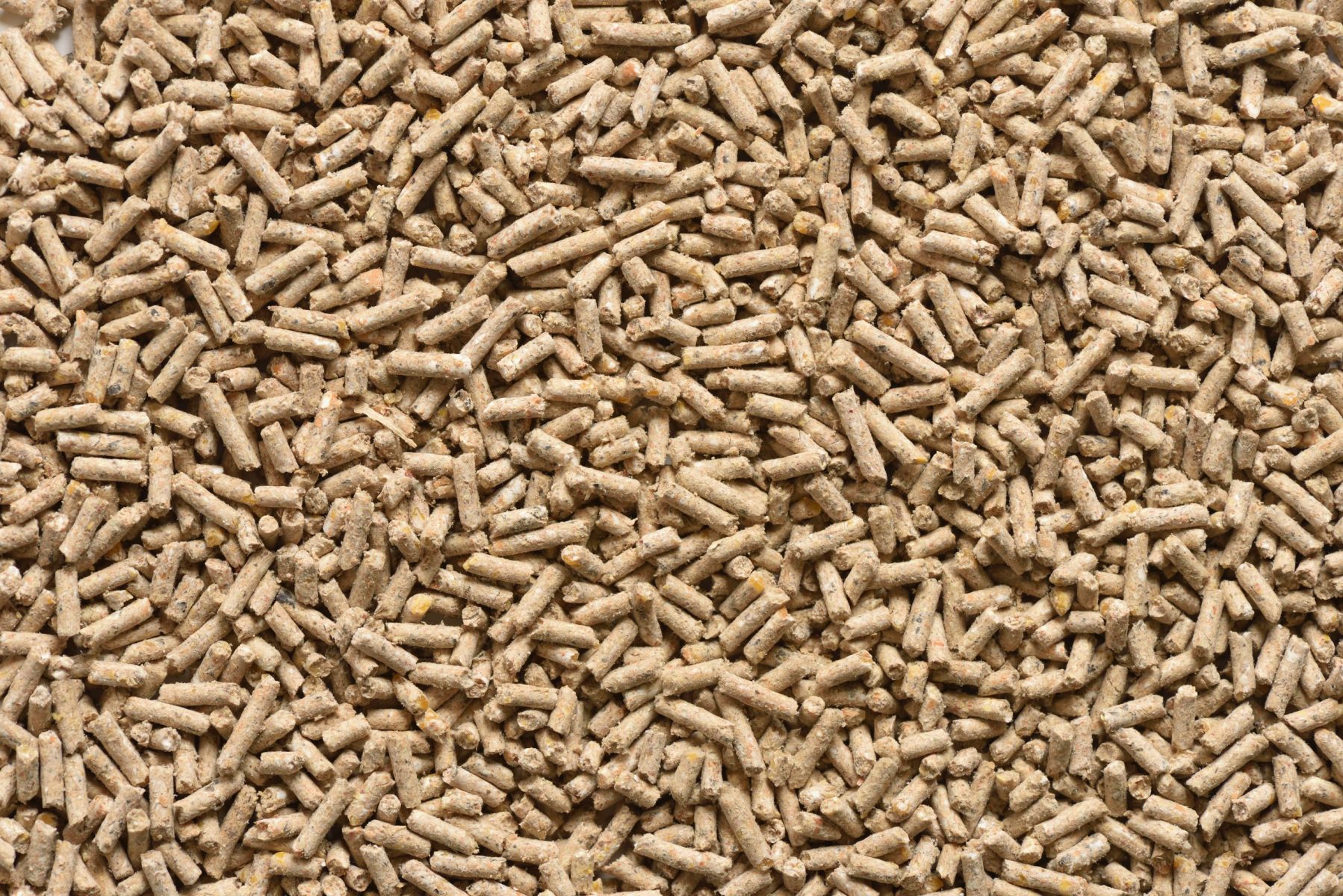
For adult chickens, especially layers and broilers, pellet feed is one of the most efficient chicken feed types. These compressed feed cylinders reduce waste, ensure balanced nutrient intake, and are easy to store and handle. Each pellet contains all essential nutrients, making it ideal for commercial farms in Nigeria aiming for consistent egg or meat production. Pellets are particularly popular in urban markets like Abuja, where farmers need cost-effective chicken feed types to maximise profits. They’re also less prone to spoilage in Nigeria’s humid climate.
Mash vs. Pellets: Which is Better?

When choosing chicken feed types, farmers often debate between mash and pellets. Mash, like starter feed, is finely ground and ideal for young chicks due to its easy digestibility. However, it can lead to feed waste, especially in Nigeria’s windy or dusty environments. Pellets and crumbles, on the other hand, are more convenient and reduce waste, making them better for older birds. For Nigerian farmers, pellets are often preferred for layers and broilers because they ensure every bite delivers balanced nutrition, reducing the need for frequent feeding.
Practical Tips for Nigerian Farmers
To make the most of chicken feed types, consider these tips tailored for Nigeria’s poultry farmers:
Match Feed to Age and Purpose: Always choose chicken feed types based on your chickens’ age and production goals. Use starter feed for chicks, crumbles for pullets, and pellets or textured feed for layers or broilers.
Source Quality Feed: In Nigeria, feed quality can vary. Buy from reputable suppliers in markets to ensure your chicken feed types meet nutritional standards.
Store Feed Properly: Nigeria’s humid climate can spoil feed. Store chicken feed types in dry, airtight containers to prevent mould and nutrient loss.
Monitor Feed Intake: Overfeeding or underfeeding can hurt productivity. Adjust portions based on your chickens’ needs and observe their growth and egg output.
Supplement Wisely: In rural areas, you can supplement chicken feed types with local ingredients like maize or groundnut cake, but ensure they’re free from contaminants.
Conclusion

Selecting the right chicken feed types is a silent investment in successful poultry farming in Nigeria. From starter feed for chicks to pellets for layers, each type serves a specific purpose in promoting growth, egg production, or meat quality. By understanding and using chicken feed types effectively, Nigerian farmers can overcome challenges like high feed costs and disease risks.
READ ALSO: Benefits of Fermenting Chicken Feed for Nigerian Poultry Farmers