











If you’ve ever found yourself staring at your tomato plants and wondering why the leaves are turning yellow, you’re not alone, and now, you don’t have to be. AVA, Afrimash’s AI-powered virtual assistant, is helping farmers across Nigeria and beyond get instant answers to common agricultural problems. We recently put AVA to the test with a real-life question about yellowing tomato leaves, and the results were insightful.
Tomatoes are a popular and profitable crop, but they’re also sensitive. Any small change in soil, water, nutrients, or environment can affect their health. One of the most common complaints tomato farmers report is yellowing leaves, and while it might look harmless at first, it could be an early sign of a bigger problem.
What Causes Yellow Leaves in Tomato Plants?
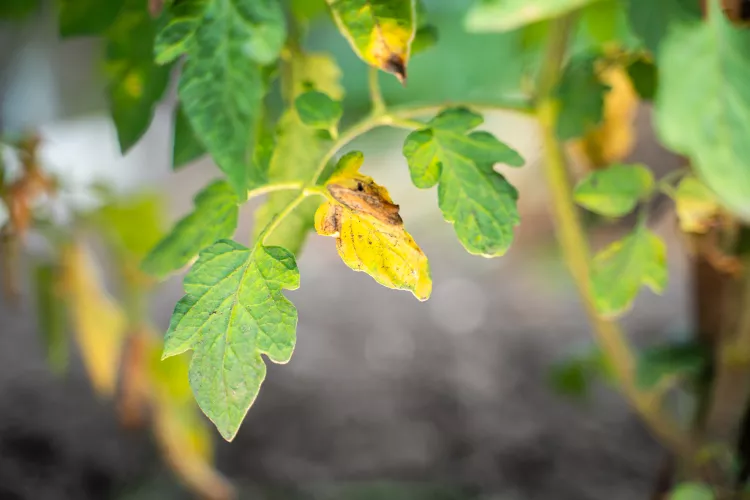
Yellowing leaves, also known as chlorosis, occur when the plant’s chlorophyll breaks down or fails to produce properly. This can be triggered by a variety of reasons:
Nutrient Deficiencies
Tomatoes are heavy feeders, and a lack of key nutrients such as nitrogen, potassium, magnesium, or iron can cause leaves to turn yellow. For instance, nitrogen deficiency typically shows up in older leaves, which turn yellow while the new ones remain green.
Overwatering or Underwatering
Tomato roots don’t like extremes. Overwatering can suffocate roots, while underwatering stresses the plant. In both cases, leaves may yellow, wilt, or fall off entirely. Consistent, moderate watering is crucial.
Poor Soil Drainage
Soil that doesn’t drain well can become waterlogged, causing root rot and leaf yellowing. Ensure your planting beds or containers have good drainage holes and are not compacted.
Diseases and Pests
Fungal diseases like early blight, fusarium wilt, and verticillium wilt often start with yellow spots or blotches on leaves. Pests like whiteflies and aphids can also weaken the plant, leaving discoloured leaves behind.
Transplant Shock or Environmental Stress
A sudden change in weather, excessive heat, or transplanting can temporarily stress plants, resulting in yellow leaves. These usually recover on their own once the plant adjusts.
What AVA Had to Say About It
To get a smart diagnosis, we asked AVA, Afrimash’s intelligent virtual assistant:
“Why are my tomato leaves turning yellow?”

In just one response, AVA listed all the major possible causes and even recommended uploading a photo for a better diagnosis. That’s the power of having a smart agric assistant right at your fingertips.
Meet AVA: Your 24/7 Farm Assistant
AVA is not just for tomato problems. It’s your go-to assistant for everything agric, from poultry and livestock to crops, aquaculture, farm equipment, and more. It works 24/7, giving you answers in seconds so you can make better farm decisions without waiting for a human agent.
What You Can Ask AVA:
“What vaccine schedule should I follow for my broilers?”
“How do I control weeds in my maize farm organically?”
“Why are my layers laying fewer eggs?”
“What’s the best pesticide for tomato blight?”
AVA is designed to simplify the process and give you accurate support when you need it most.
Final Thoughts

Yellowing tomato leaves might seem like a small issue at first, but it’s often a red flag for something bigger. Thanks to AVA, you can now catch problems early, understand what’s going wrong, and apply the right solution without delay.
So the next time you’re unsure about something on your farm, whether it’s about crops, poultry, tools, or feed, don’t stress. Just ask AVA.
Try AVA now and experience smart farming support at your fingertips.