Conflicts, Droughts Exacerbate Food Insecurity
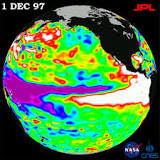
Drought linked to El Niño and civil conflict has pushed the number of countries currently in need of external food assistance up to 37 from 34 in March, according to a new FAO report.

The new edition of the Crop Prospects and Food Situation report sighted by NaijaAgoNet, adds that Papua New Guinea, Haiti and Nigeria to the list of countries requiring outside help to feed their own populations or communities of refugees they are hosting.


In Haiti, NaijaAgoNet gathered the output of cereals and starchy roots in 2015 dropped to its lowest level in 12 years. Around 3.6 million people, more than one-third of the population, are food insecure, almost half of them "severely", while at least 200 000 are in an extreme food emergency situation.

According to the report, Haiti's woes are largely due to El Niño, which has also exacerbated the worst drought in decades in Central America's dry corridor.


In Southern Africa, El Niño impacts have significantly worsened food security and the 2016 cereal harvest currently underway is expected to drop by 26 percent from the already reduced level of the previous year, triggering a "substantial rise" in maize prices and import requirements in the coming marketing year.


Isaac Oyimah/GEE

... Linking agrobiz, sustainable environs, people & technology
Continue reading

Overview and Future Prospects of Aflatoxin Research at ICRISAT

26 September 2014

Abstract :
Aflatoxin contamination of food crops is one of the most agriculturally important problems in the world. Perhaps, this is one of the most focused research areas of several advanced research institutions, CGIAR centers and NARS of several countries. Public health implications due to aflatoxins, the secondary metabolites produced by toxigenic molds Aspergillus flavus, is a global concern. Keeping in view of its growing threat and health hazards on humans and animals, ICRISAT has always been in the forefront in contributing to mitigate this menace especially in groundnut and made a remarkable progress. For over three and half decades, ICRISAT’s aflatoxin research is spear-headed by a number of excellent scientists based in Asia and SSA.

Dr. Waliyar delivered a seminar on “Overview and future prospects of aflatoxin research at ICRISAT” highlighting his research outputs, salient findings and management strategies in Asia and Sub-Saharan Africa. The 2nd part of his presentation focused on the new opportunities, looking ahead he introduced and discussed the outline of a new concept note that was prepared in collaboration of several scientists.


@ 31:00 Dr. Waliyar discusses the use of bio control agents of which trichoderma. In this research trichoderma was initially used for composting but in the process it was discovered that it has an anti fungal activity. "Hopefully someone will pick this up"
@ 51:26 - 58:00 Dr. Waliyar discusses the use of Aflasafe. "It is an expensive technology for rich people." "A different strain has to be developed for each country which takes 4 years."

Related: 
On 9-11 October 2013, participants from five CGIAR centres met at Naivasha in Kenya to share about their current activities related to mycotoxin research and to plan for how these different activities might contribute to the next phase of the CGIAR Research Program on Agriculture for Nutrition and Health (A4NH) mycotoxin research portfolio.
Share
Continue reading

Steps in Growing Cucumbers

• Cucumbers are extremely sensitive to cold temperatures, they grow best when given full sunlight in their growing process. Sunlight is very important as a source of nutrition for cucumber plants, stable sunlight will imply consistent warm soil, which the seeds need in order to germinate. When selecting site, consider the temperature. • Clear the
Continue reading