











In Nigeria, where farming is the backbone of many communities, finding cost-effective ways to feed livestock, such as rabbits, chickens, and pigs, is crucial. One resource that’s often overlooked is the corncob, the part of the maize plant that we typically burn or discard. Instead of treating corncobs as waste, Nigerian farmers can harness their potential to revolutionise livestock feed. Using corncobs in livestock feed is a smart and sustainable way to reduce costs, improve farm profitability, and maximise the use of a resource Nigeria produces in abundance. This article explores why corncobs are a hidden gem for farmers and how to incorporate them into your livestock feed strategy.
The Hidden Value of Corncobs

Corncobs are the woody core of maize left after the kernels are removed. In Nigeria, where maize is a staple crop grown from Sokoto to Enugu, billions of tonnes of corncobs are produced annually. Yet, most farmers burn them as firewood or bury them, unaware of their value. In contrast, countries in Europe process corncobs into livestock feed and even mushroom production substrates, turning waste into profit. By using corncobs in livestock feed, Nigerian farmers can tap into this free, abundant resource to reduce reliance on expensive feed ingredients like wheat bran.
Why Use Corncobs in Livestock Feed?
Using corncobs in livestock feed offers multiple benefits for Nigerian farmers raising rabbits, chickens, or pigs. Here’s why this practice is gaining attention:
Cost-Effective Feed Alternative
Livestock feed, especially wheat bran, can be expensive, eating into farm profits. Corncobs provide a low-cost alternative that’s readily available on most Nigerian farms. By using corncobs in livestock feed, you can replace costly ingredients without compromising nutrition. This is particularly valuable for smallholder farmers in rural areas like Ogun or Kano, where every naira counts.
Nutritional Benefits for Animals
Corncobs are rich in fibre and can be ground into a form suitable for rabbits, chickens, and pigs. When properly processed, using corncobs in livestock feed ensures animals get the roughage they need for healthy digestion. For rabbits, corncobs support gut health; for chickens, they aid in egg production; and for pigs, they promote weight gain when mixed correctly. This makes corncobs a versatile feed component for diverse livestock.
Reduces Waste and Environmental Impact
Nigeria produces vast amounts of corncobs annually, but burning or burying them contributes to environmental degradation. By using corncobs in livestock feed, farmers can reduce waste and adopt sustainable practices. This not only benefits the environment but also aligns with the growing push for eco-friendly farming in Nigeria.
Supports Mushroom Production
Beyond livestock feed, corncobs are a key ingredient in mushroom production. In Nigeria, where mushroom farming is gaining popularity, using corncobs in livestock feed and mushroom substrates maximises resource use. Farmers can diversify income streams by selling mushrooms alongside livestock products, all from the same “waste” product.
Increases Farm Profitability
By cutting feed costs and repurposing a free resource, using corncobs in livestock feed boosts farm profitability. Instead of importing expensive feed or buying wheat bran at inflated prices, farmers can process corncobs locally, keeping more money in their pockets. This approach empowers Nigerian farmers to break the cycle of dependency on costly inputs.
How to Use Corncobs in Livestock Feed

To successfully incorporate corncobs into livestock feed, Nigerian farmers need to follow a few simple steps:
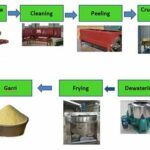
Collect and Dry Corncobs: After harvesting maize, gather the corncobs and dry them thoroughly to prevent mould. Sun-drying works well in Nigeria’s sunny regions like Bauchi or Kaduna.
Grind into Powder: Use a grinding machine to turn corncobs into a fine powder or meal. This makes them easier to mix with other feed ingredients and digestible for animals.
Control Dosage: Using corncobs in livestock feed requires careful mixing to ensure nutritional balance. Consult an agricultural extension officer or livestock nutritionist to determine the right proportion for rabbits, chickens, or pigs. Typically, corncobs should not exceed 20–30% of the total feed mix to avoid digestive issues.
Mix with Other Ingredients: Combine ground corncobs with maize, soybean meal, or other local feed components to create a balanced diet. For example, mix corncobs with groundnut cake for pigs or add them to layer mash for chickens.
Monitor Animal Health: Start with small amounts of corncobs in the feed and observe how your animals respond. Adjust the mix as needed to ensure optimal growth and health.
Tips for Nigerian Farmers
Learn from Local Experts: Connect with agricultural cooperatives or extension services in your state to learn the best practices for using corncobs in livestock feed.
Invest in Simple Equipment: A small grinding machine, affordable for many farmers, can process corncobs efficiently.
Combine with Other By-Products: Mix corncobs with other local resources like rice bran or palm kernel cake to create cost-effective feed blends.
Explore Mushroom Farming: Use corncobs to grow mushrooms alongside livestock farming to diversify your income.
Breaking the Cycle of Waste

Nigeria’s agricultural sector is rich with opportunities, but ignorance about resources like corncobs holds many farmers back. While other countries profit from processing corncobs, Nigerian farmers can take charge by using corncobs in livestock feed to cut costs and boost productivity. This simple shift can transform farms in Anambra, Benue, or Taraba, making them more self-sufficient and profitable.
Conclusion

Using corncobs in livestock feed is a game-changer for Nigerian farmers raising rabbits, chickens, or pigs. This abundant, free resource reduces feed costs, improves animal health, and supports sustainable farming practices. By embracing corncobs, farmers can stop wasting money on expensive feed and start building more profitable farms. It’s time to see corncobs not as waste but as gold for your livestock. Take the first step today, collect those corncobs, process them, and watch your farm thrive!
READ ALSO: Why Poultry and Fish Farming Are a Perfect Match for Nigerian Farmers