













The benefits of castor seed are vast, touching nearly every facet of life, from health and wellness to agriculture and industry. Derived from the Ricinus communis plant, castor seeds have been used for centuries for their unique properties, most notably as the source of castor oil. Though small in size, castor seeds pack a powerful punch, offering solutions for everything from skincare to soil enhancement.
What Are Castor Seeds?
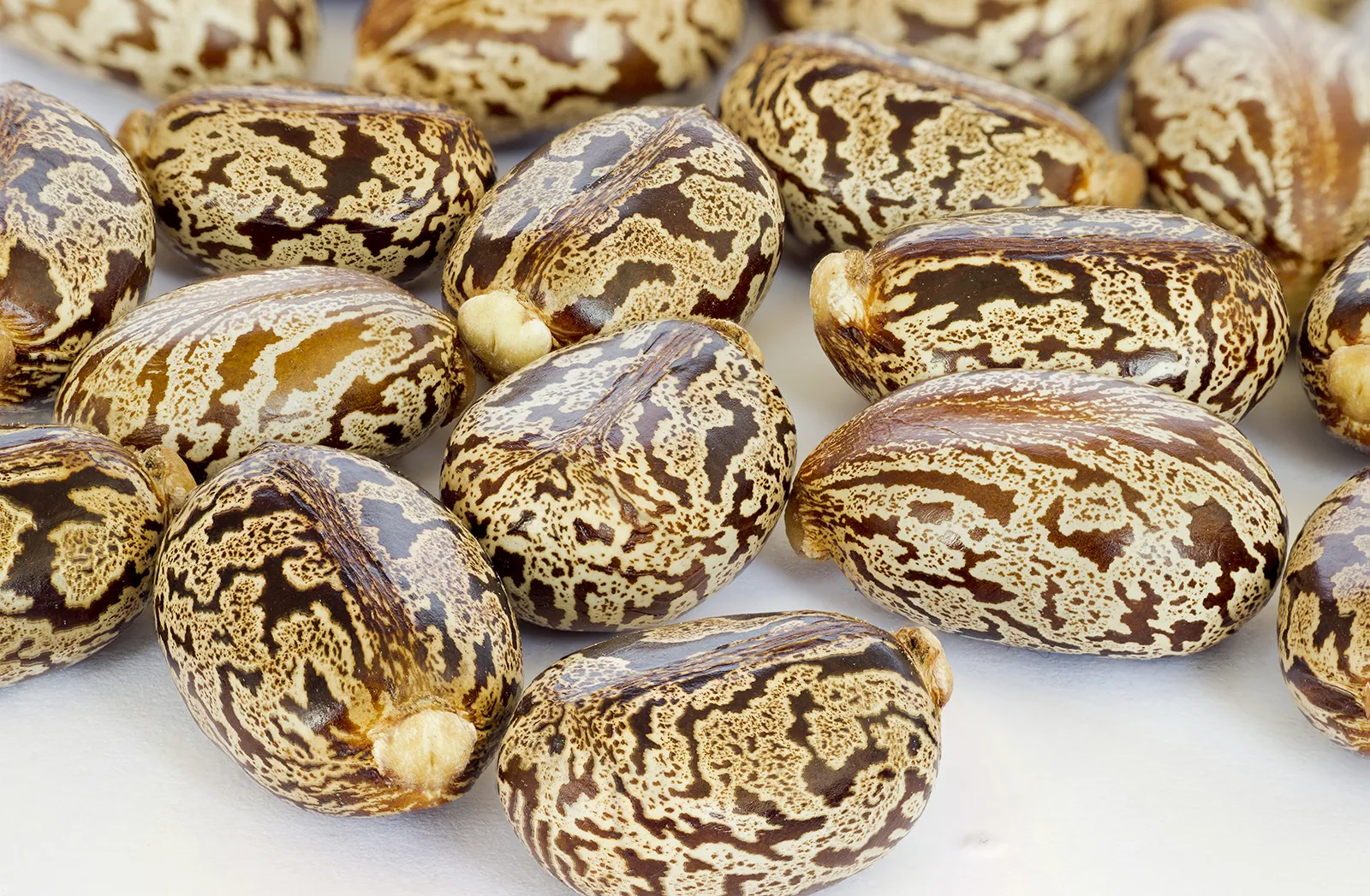
Castor seeds are the product of a fast-growing, drought-resistant shrub known as the castor plant. Native to Africa and Asia, this plant thrives in tropical and subtropical climates. The seeds themselves are oval and mottled, with an appearance as striking as their uses.
The primary draw of castor seeds is the oil they produce, which accounts for about half of their weight. Castor oil is prized for its lubricating and medicinal properties, and it has played a role in human life for thousands of years. However, it’s important to note that raw castor seeds contain ricin, a toxic protein. Proper processing is therefore critical to unlocking the benefits of castor seed safely.
The Many Uses of Castor Seed
The benefits of castor seed come to life through its diverse applications:
A Healing Oil: Castor oil, extracted from the seeds, is renowned for its medicinal and skincare properties. It has been a remedy for constipation, a solution for dry skin, and even a treatment for minor wounds.
A Farmer’s Ally: In agriculture, castor seeds serve as organic fertilisers and natural pest repellents. Farmers value the meal left after oil extraction for its ability to enrich the soil.
An Industrial Workhorse: The oil is also a critical component in industrial lubricants, biodegradable plastics, and even biofuels. Its versatility makes it a sought-after resource in manufacturing.
Unpacking the Benefits of Castor Seed
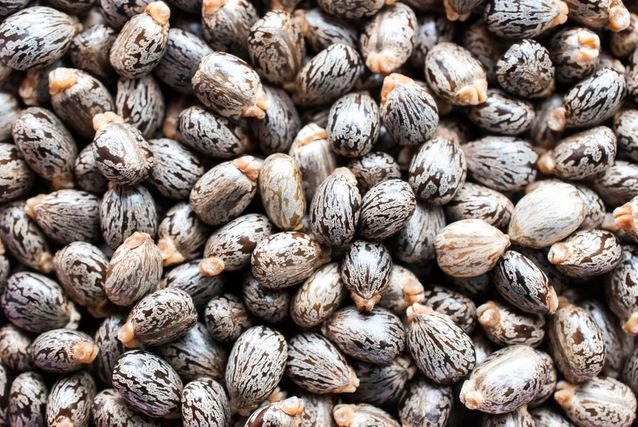
Castor seeds offer a wealth of advantages, spanning multiple domains. Here is a break down the benefits of castor seed into key categories to highlight its importance:
Health Benefits
One of the most well-known benefits of castor seed is its impact on health and wellness. Castor oil, in particular, has been a trusted natural remedy for centuries.
- Relief from Constipation: Castor oil acts as a stimulant laxative, helping to ease digestive discomfort.
- Skin and Hair Care: Its anti-inflammatory and hydrating properties make it a popular ingredient in skincare and hair products. It soothes dry skin, promotes wound healing, and encourages hair growth.
- Pain Management: When applied topically, castor oil provides relief for joint and muscle pain, thanks to its anti-inflammatory compounds.
Agricultural Benefits
Farmers, too, can benefit greatly from castor seeds.
- Natural Pest Control: Castor plants deter pests such as nematodes, reducing the need for chemical pesticides.
- Soil Enrichment: The meal left after oil extraction is rich in nitrogen, making it an excellent organic fertiliser.
- Adaptability: Castor plants thrive in poor soils and arid conditions, making them a reliable crop in challenging environments.
Industrial Benefits
In the industrial sector, the benefits of castor seed shine brightly. Castor oil is used in a wide range of products, from cosmetics to machinery lubricants.
- Eco-Friendly Fuels: Castor oil is a key ingredient in biofuel production, offering a sustainable alternative to fossil fuels.
- Versatility in Manufacturing: It is used to produce paints, soaps, and even biodegradable plastics, supporting sustainable practices in various industries.
Environmental Benefits
The cultivation of castor plants contributes positively to the environment.
- Carbon Absorption: Castor plants sequester carbon dioxide, aiding in the fight against climate change.
- Minimal Waste: Every part of the castor plant has a use, from the seeds to the leaves, ensuring minimal waste.
How to Cultivate and Use Castor Seeds
The benefits of castor seed can only be realised with proper cultivation and processing. Castor plants require warm climates, well-drained soils, and minimal rainfall, making them ideal for tropical regions. Harvesting occurs when the seed pods turn brown and begin to split open.
For personal or commercial use, it’s important to handle castor seeds with care due to their ricin content. Oil extraction should always be done professionally to ensure safety.
Challenges and Considerations

While the benefits of castor seed are undeniable, it’s important to consider potential challenges.
- Toxicity: The presence of ricin in raw seeds requires careful handling during cultivation and processing.
- Labour-Intensive Harvesting: Collecting and processing castor seeds can be time-consuming.
- Market Fluctuations: The global demand for castor oil can influence its price and availability.