











Mildew is a persistent fungal disease that poses a significant threat to crop health, particularly during the humid and rainy seasons common in Nigeria. Known as either powdery mildew or downy mildew, this disease can devastate leaves, stems, and even fruits, leading to reduced yields and economic losses for farmers. Controlling mildew effectively requires a combination of early detection, cultural practices, resistant crop varieties, and, when necessary, organic or chemical interventions.
Understanding Mildew and Its Impact
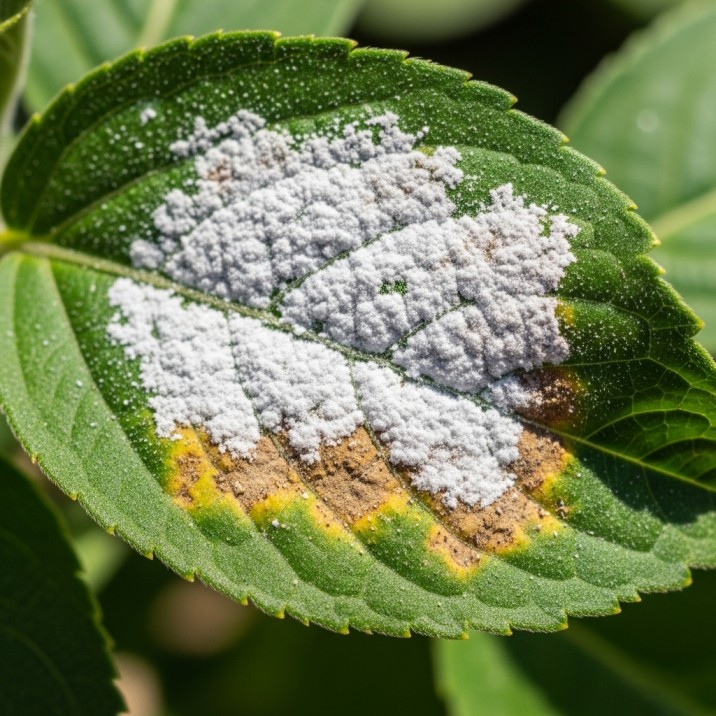
Mildew thrives in warm, humid conditions, making it a common challenge during Nigeria’s rainy season. Powdery mildew appears as white or grey powdery patches on leaves, stems, and buds, while downy mildew manifests as yellow or pale spots on the upper surfaces of leaves with greyish mould underneath. Both types can weaken plants, stunt growth, and lower crop quality. Controlling mildew starts with recognising these symptoms early, as prompt action can prevent the disease from spreading and causing irreparable damage.
Early Detection: The First Step in Controlling Mildew
Regular inspection of crops is essential for controlling mildew. Farmers should check their fields every three to four days, especially during wet and humid weather. Look for telltale signs such as powdery white patches for powdery mildew or yellowish spots with grey mould for downy mildew. Early detection allows farmers to act swiftly, minimising the spread of the disease. By identifying mildew at its onset, you can implement targeted measures to protect your crops before the situation escalates.
Cultural Practices to Prevent Mildew

Adopting good agricultural practices is a cornerstone of controlling mildew. Proper spacing between plants improves air circulation, reducing the humidity that fosters fungal growth. Overcrowded crops trap moisture, creating an ideal environment for mildew to thrive. Additionally, watering crops early in the day allows leaves to dry before nightfall, as wet foliage encourages fungal development. Avoid overhead watering, which can splash water onto leaves and promote mildew spread.
Sanitation is another critical practice. Remove and destroy infected leaves or plant debris immediately to prevent the fungus from spreading to healthy plants. Crop rotation is equally important, as planting the same crop in the same location year after year can allow mildew spores to accumulate in the soil. By rotating crops, farmers disrupt the disease cycle, making it harder for mildew to establish itself.
Choosing Resistant Crop Varieties
One of the most effective strategies for controlling mildew is selecting crop varieties bred for resistance to fungal diseases. Resistant varieties are less likely to succumb to mildew, reducing the need for intensive interventions. When planning your planting season, research and choose seeds known for their mildew resistance. This proactive approach can significantly lower the risk of disease and simplify the process of controlling mildew in your fields.
Natural and Organic Remedies for Mildew Control

For farmers seeking eco-friendly solutions, organic remedies offer a sustainable way of controlling mildew. Neem oil spray is a popular choice; mix neem oil with water and a few drops of mild soap, then apply it to affected leaves every seven to ten days. This natural fungicide disrupts the mildew’s life cycle without harming the environment. Another effective remedy is a baking soda solution, made by combining one tablespoon of baking soda with one litre of water and a few drops of soap. Spray this mixture on affected leaves to inhibit fungal growth.
Garlic or onion extracts can also be used as natural fungicides. These extracts contain compounds that deter mildew and can be applied as a spray to protect crops. Organic remedies are particularly appealing for smallholder farmers in Nigeria, as they are cost-effective and align with sustainable farming practices.
Chemical Control as a Last Resort
When cultural practices and organic remedies are insufficient, chemical fungicides can be employed for controlling mildew. Copper-based fungicides or systemic fungicides are effective options, but they should be used preventively before the disease spreads widely. Always follow the manufacturer’s instructions to avoid over-application, which can lead to fungicide resistance or crop damage. While chemical control is effective, it should be a last resort to minimise environmental impact and preserve soil health.
Monitoring and Soil Health for Long-Term Mildew Control

Continuous monitoring is vital for controlling mildew throughout the growing season. Regular checks allow farmers to catch and address mildew outbreaks early. Additionally, maintaining healthy soil with compost or organic matter strengthens plant immunity, making crops more resilient to diseases like mildew. Healthy plants are better equipped to withstand fungal attacks, reducing the need for frequent interventions.
Conclusion
Controlling mildew in crops requires a multifaceted approach that combines vigilance, cultural practices, resistant varieties, and targeted treatments. By inspecting crops regularly, adopting good agricultural practices, and using organic or chemical remedies when necessary, Nigerian farmers can protect their fields from the devastating effects of mildew. With these strategies, controlling mildew becomes an achievable goal, ensuring healthier crops and more sustainable farming practices. By staying proactive and informed, farmers can safeguard their yields and contribute to food security in Nigeria.
READ ALSO: How to Make Broiler Feed: A Guide to Starter, Grower, and Finisher Feeds for Nigerian Farmers