











Malformed chicks are a significant concern in poultry farming, often resulting from suboptimal conditions during incubation. One of the primary causes of malformed chicks is high incubation temperature, which disrupts normal embryonic development. When eggs are exposed to excessive heat, the delicate processes of cell growth and differentiation are altered, leading to physical deformities and reduced hatchability.
The Role of Temperature in Incubation
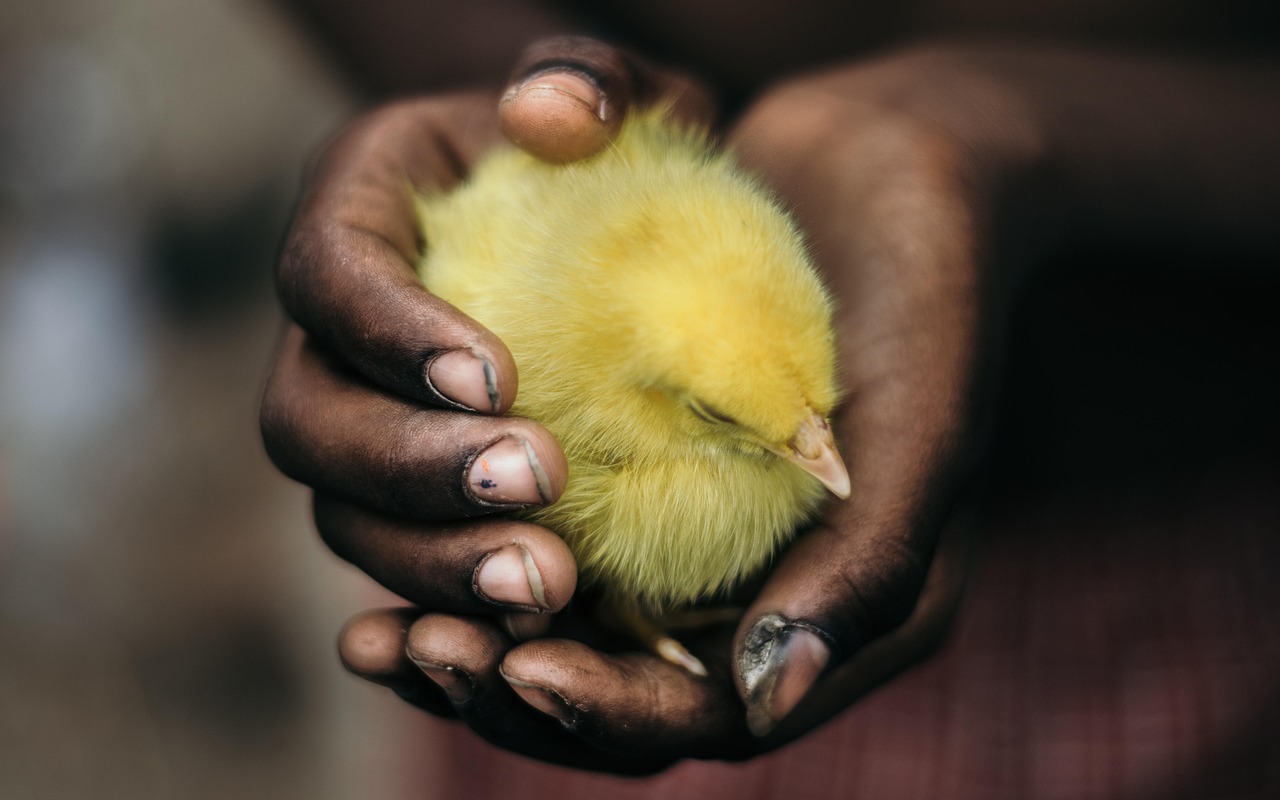
Incubation is a critical phase in poultry production, where temperature, humidity, and ventilation must be precisely controlled to ensure healthy chick development. The optimal temperature for incubating chicken eggs typically ranges between 37.5°C and 37.8°C. Within this narrow range, embryonic cells divide, differentiate, and form the complex structures of a healthy chick. However, when temperatures exceed this range, even by a small margin, the consequences can be severe, increasing the likelihood of malformed chicks.
High incubation temperatures accelerate metabolic processes, causing cells to divide abnormally. This disrupts the tightly orchestrated sequence of embryonic development, leading to malformed chicks with defects such as crooked beaks, missing limbs, or improperly formed spinal columns. Embryos’ sensitivity to temperature fluctuations underscores the importance of maintaining stable conditions throughout the incubation period.
Mechanisms of Malformation

The primary reason high temperatures result in malformed chicks is their impact on cell growth and differentiation. During early embryonic development, cells are susceptible to environmental conditions. Excessive heat can cause proteins to misfold, disrupt gene expression, and impair the formation of critical tissues and organs. For instance, overheating during the first week of incubation, when major organ systems are forming, can lead to heart defects or abnormal limb development in malformed chicks.
Moreover, high temperatures can induce oxidative stress, where an imbalance of free radicals damages developing tissues. This stress exacerbates abnormal cell growth, further increasing the risk of malformed chicks. The neural tube, which develops into the brain and spinal cord, is particularly vulnerable. If exposed to excessive heat, the neural tube may fail to close properly, resulting in severe deformities such as spina bifida.
Specific Deformities Linked to High Temperatures
Malformed chicks exhibit a range of physical abnormalities depending on the timing and severity of the temperature spike. For example, overheating during the early stages of incubation may cause craniofacial defects, such as malformed beaks or eyes. Later in development, high temperatures can affect limb formation, leading to chicks with missing or underdeveloped legs or wings. Skeletal deformities, such as twisted spines or abnormal rib cages, are also common in malformed chicks exposed to excessive heat.
In some cases, high incubation temperatures can lead to internal defects that are not immediately visible. For instance, malformed chicks may have underdeveloped hearts or digestive systems, which compromise their survival post-hatch. These internal malformations often contribute to higher mortality rates, as affected chicks struggle to feed or maintain normal bodily functions.
Consequences for Poultry Production

The production of malformed chicks due to high incubation temperatures has significant economic and ethical implications for poultry farmers. Malformed chicks often fail to survive hatching or die shortly after, leading to reduced hatch rates and financial losses. Even if they survive, these chicks may require culling due to their inability to thrive, further impacting profitability.
From an ethical standpoint, producing malformed chicks raises concerns about animal welfare. Deformities can cause pain and suffering, making it essential for farmers to prioritise conditions that minimise the risk of such outcomes. By addressing the issue of high incubation temperatures, farmers can improve both the welfare of their flocks and the sustainability of their operations.
Mitigating the Risk of Malformed Chicks

Preventing the occurrence of malformed chicks begins with rigorous temperature management during incubation. Modern incubators are equipped with advanced sensors and controls to maintain stable conditions, but regular calibration is essential to ensure accuracy. Farmers should monitor temperature readings closely and avoid placing incubators in areas prone to external heat sources, such as direct sunlight or poorly ventilated rooms.
Additionally, maintaining proper humidity levels is crucial, as high temperatures combined with low humidity can exacerbate embryonic stress. Ventilation should also be optimised to prevent heat buildup within the incubator. Regular turning of eggs during incubation helps ensure even heat distribution, reducing the risk of localised overheating that could lead to malformed chicks.
Training staff to recognise early signs of temperature fluctuations and respond promptly is another key strategy. For large-scale operations, investing in automated monitoring systems that alert farmers to deviations in temperature can prevent costly mistakes. By implementing these measures, poultry producers can significantly reduce the incidence of malformed chicks and improve overall hatchery performance.
Conclusion
High incubation temperatures are a leading cause of malformed chicks, disrupting the delicate processes of embryonic development and resulting in physical and internal deformities.
The consequences of this issue extend beyond economic losses, raising important ethical considerations for poultry farmers. By understanding the mechanisms behind temperature-induced malformations and adopting stringent incubation practices, farmers can minimise the risk of producing malformed chicks.
Precise temperature control, regular equipment maintenance, and proactive monitoring are essential steps toward ensuring healthy chick development and sustainable poultry production. Through these efforts, the poultry industry can address the challenge of malformed chicks and promote better outcomes for both animals and producers.


One thought on “Malformed Chicks: The Impact of High Incubation Temperatures”
Thanks for sharing this very well-written and worth-reading article.
Wish to see more in the coming days.