









Broiler farming is a thriving business in Nigeria, and one of the key factors contributing to its success is the provision of high-quality broiler feed. By making your own broiler feed, you can reduce costs, control quality, and ensure your chickens grow healthy and fast. This article explains how to prepare broiler feed for the three critical stages of growth, starter, grower, and finisher, tailored for Nigerian farmers.
Why Make Your Own Broiler Feed?
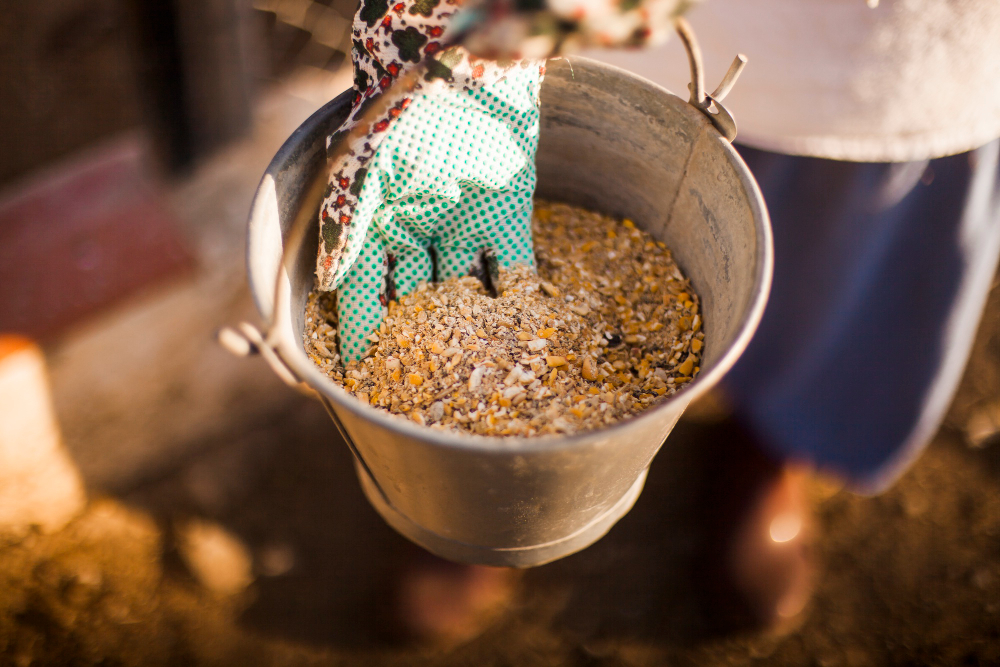
Producing broiler feed at your farm allows you to customise the mix to suit your chickens’ needs while reducing the need for expensive commercial feeds. With the right ingredients and formulation, you can achieve optimal growth, strong immunity, and excellent meat quality. The process involves preparing distinct feeds for each stage of a broiler’s life: starter (0–3 weeks), grower (4–5 weeks), and finisher (6 weeks to market). Below, we break down the ingredients and steps for creating broiler feed for each phase.
Starter Feed (0–3 Weeks): Building a Strong Foundation

The starter phase is critical for young chicks as it supports rapid growth and strengthens their immune systems. A well-formulated broiler feed during this stage ensures healthy development and prepares chicks for the next phase.
Key Ingredients for Starter Broiler Feed
- Maize (50%): Acts as the primary energy source, providing carbohydrates for growth.
- Soybean meal (25%): Supplies high-quality protein essential for muscle development.
- Fishmeal (10%): Adds concentrated protein to support rapid growth.
- Vegetable oil (3–5%): Boosts energy and provides essential fatty acids.
- Limestone (1.5%): Supplies calcium for strong bone formation.
- Dicalcium phosphate (1%): Ensures a balanced intake of phosphorus and calcium.
- Salt (0.5%): Supports metabolic functions.
- Vitamins and minerals premix (1–2%): Provides micronutrients for immunity and overall health.
Feed Characteristics
- Form: Crumble or mash for easy consumption by young chicks.
- Protein content: 22–24% to support rapid tissue development.
- Energy level: Approximately 3000 kcal/kg to fuel growth.
To prepare starter broiler feed, grind the maize and soybean meal to a fine consistency, mix thoroughly with other ingredients, and ensure the premix is evenly distributed. The crumble or mash form makes it easy for chicks to eat, promoting healthy weight gain in the first three weeks.
Grower Feed (4–5 Weeks): Sustaining Growth
The grower phase focuses on maintaining the growth momentum while preparing broilers for the finishing stage. During this period, broiler feed should provide balanced nutrition to support steady weight gain without excessive fat accumulation.
Key Ingredients for Grower Broiler Feed
- Maize (55%): Increases slightly to provide more energy for growing birds.
- Soybean meal (20%): Slightly reduced but still a key protein source.
- Fishmeal or meat and bone meal (5%): Supports continued muscle growth.
- Vegetable oil (3%): Maintains energy levels.
- Limestone (1%): Ensures strong bones as birds grow heavier.
- Dicalcium phosphate (1%): Balances calcium and phosphorus.
- Salt (0.5%): Maintains metabolic health.
- Vitamins and minerals premix (1%): Supports overall health.
Feed Characteristics
- Form: Pellet or mash for better feed intake.
- Protein content: 20–22% to match the needs of growing broilers.
- Energy level: Around 3100 kcal/kg for sustained growth.
To create grower broiler feed, mix the ingredients thoroughly, ensuring a uniform blend. Pelleting the feed can improve consumption efficiency and reduce waste, which is especially important for Nigerian farmers looking to maximise profitability.
Finisher Feed (6 Weeks to Market): Maximising Weight and Meat Quality
The finisher phase is all about achieving optimal weight gain and high-quality meat for market. The broiler feed in this stage is designed to add the final layer of muscle and fat, ensuring broilers reach market weight efficiently.
Key Ingredients for Finisher Broiler Feed
- Maize (60–65%): Higher maize content boosts energy for weight gain.
- Soybean meal (15%): Reduced to focus on energy over protein.
- Vegetable oil (2–3%): Supports energy needs and improves meat texture.
- Limestone (1%): Maintains bone strength.
- Dicalcium phosphate (1%): Ensures nutrient balance.
- Salt (0.5%): Supports metabolic functions.
- Vitamins and minerals premix (1%): Promotes overall health.
Feed Characteristics
- Form: Pellets are preferred to enhance feed efficiency.
- Protein content: 18–20% to focus on weight gain.
- Energy level: Approximately 3200 kcal/kg for maximum growth.
For finisher broiler feed, combine the ingredients and pelletise the mixture to ensure uniformity and reduce feed wastage. This form is ideal for larger birds, as it encourages efficient consumption and supports the final push to market weight.
Tips for Making Broiler Feed in Nigeria

- Source Quality Ingredients: Use fresh, high-quality maize, soybean meal, and fishmeal to ensure your broiler feed meets nutritional standards. Avoid contaminated or low-grade ingredients, as they can harm your flock.
- Invest in a Feed Mixer: A small-scale feed mixer can ensure even distribution of ingredients, improving the quality of your broiler feed.
- Store Feed Properly: Keep broiler feed in a cool, dry place to prevent mould and nutrient degradation, especially in Nigeria’s humid climate.
- Monitor Bird Performance: Observe how your broilers respond to the feed. Adjust formulations if you notice slow growth or health issues, but consult a poultry nutritionist if needed.
- Cost Management: Compare the cost of making broiler feed with commercial options. Locally sourced ingredients like maize and soybean meal can significantly reduce expenses.
Benefits of Custom Broiler Feed

Making your own broiler feed gives you control over quality and cost. By tailoring the feed to each growth stage, you can optimise growth rates, reduce mortality, and improve meat quality. For Nigerian farmers, where feed costs can account for up to 70% of poultry production expenses, this approach can make a significant difference in profitability.
Challenges to Watch Out For
While producing broiler feed is cost-effective, it comes with challenges. Sourcing consistent, high-quality ingredients can be difficult in some parts of Nigeria. Additionally, improper mixing or storage can lead to nutrient imbalances or spoilage. To overcome these, work with reliable suppliers and invest in basic equipment like grinders and mixers.
Conclusion
Creating your own broiler feed for starter, grower, and finisher stages is a smart way to boost your poultry farm’s success in Nigeria. By carefully selecting ingredients and following the formulations outlined above, you can ensure your broilers grow quickly, stay healthy, and reach market weight efficiently. Whether you’re a small-scale farmer or running a large operation, mastering broiler feed production can transform your business. Start experimenting with these recipes, monitor your flock’s performance, and watch your profits soar!
READ ALSO: Understanding Bloat in Livestock: Causes, Signs, Prevention, and Treatment


2 thoughts on “How to Make Broiler Feed: A Guide to Starter, Grower, and Finisher Feeds for Nigerian Farmers”
It’s good! Next year, I’m resuming back my poultry business but I need to grow maize and soybeans to cut some costs when formulating their feeds. I know it will be successful.
Alliance Marine is a Poultry Oil and poultry meal manufacturer and supplier in India. These products, which play vital roles in formulating balanced animal diets, include poultry meal, poultry oil, and bone meal.