


A proper Brooder Setup is essential in poultry farming, especially for raising healthy chicks. A well-organised brooder ensures that chicks have optimal conditions to grow, thrive, and remain free from stress or illness. In this guide, we’ll walk you through all the elements you need for a successful brooder setup, from equipment selection to creating the right environment.
What Is a Brooder Setup?

A brooder setup is a controlled environment designed to provide warmth, safety, and nourishment for young chicks during their early weeks of life. This setup mimics the care a mother hen would provide, ensuring chicks stay warm, well-fed, and protected. Whether you’re a beginner or an experienced farmer, a proper brooder setup is crucial for reducing chick mortality and promoting healthy development.
Key Components of a Brooder Setup
A brooder setup involves several important elements, each contributing to the comfort and growth of your chicks. Here’s what you’ll need to include:
Heat Source
Young chicks cannot regulate their body temperature, so providing an appropriate heat source is vital. A charcoal stove is a common option for small-scale farmers. It provides consistent warmth at an affordable cost. The temperature in the brooder should start at 32–35°C during the first week and gradually decrease by 3°C each week until it matches the ambient temperature.
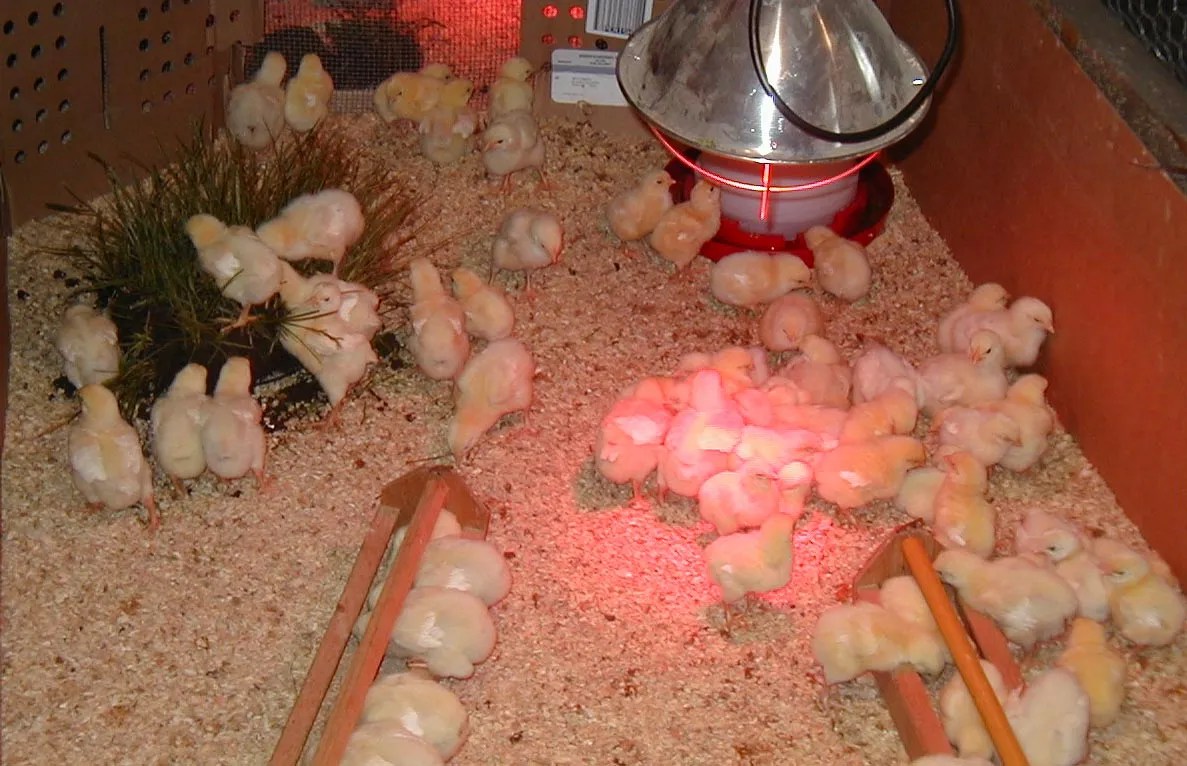
To ensure even distribution of heat, place the charcoal stove centrally and observe the chicks’ behaviour. If they huddle close to the stove, the temperature may be too low. If they spread too far apart, it might be too high. Ideally, chicks should be well distributed across the brooder, which indicates a comfortable temperature.
Litter Materials
The type of bedding used in a brooder setup greatly affects hygiene and chick comfort. Wood shavings are a preferred choice due to their absorbent and soft nature. Spread them evenly to a depth of 5–7 cm, ensuring the area remains dry and comfortable. Regularly replace wet or soiled shavings to maintain a clean environment and reduce the risk of diseases like coccidiosis.
Feeders and Drinkers
Feeding and hydration play a crucial role in the success of a brooder setup. Tray feeders are commonly used for chicks because they are accessible and easy to clean. These feeders ensure that chicks have constant access to high-quality starter feed, which is essential for their growth.
For water, manual drinkers are ideal. Position drinkers away from the heat source to prevent overheating or contamination. Clean and refill them daily to provide chicks with fresh water at all times.
Space and Brooder Guard
Providing sufficient space is a vital aspect of a brooder setup. Overcrowding can lead to stress, competition for resources, and even injuries. Allocate at least 0.1–0.15 square metres per chick. In addition, use a brooder guard, typically made of cardboard or plastic, to keep chicks contained near the heat source. Circular guards work best as they prevent clustering in corners.
Steps to Setting Up Your Brooder

Step 1: Choose the Right Location
Select a secure, well-ventilated area for your brooder setup. The location should be free from predators, draughts, and excessive moisture.
Step 2: Prepare the Brooder Area
Lay down a layer of wood shavings for bedding. Test the heat source, such as the charcoal stove, to ensure the brooder maintains the desired temperature for at least 24 hours before introducing the chicks.
Step 3: Arrange Feeders and Drinkers
Place the tray feeders and manual drinkers strategically to provide easy access while minimising spillage. Position them away from the heat source to prevent contamination.
Step 4: Introduce the Chicks
Once the brooder setup is complete and the temperature is stable, carefully transfer your chicks into the space. Observe their distribution and behaviour to ensure they are comfortable.
Maintaining a Healthy Brooder Setup
Keeping the brooder clean and well-maintained is critical for the health of your chicks. Here are some tips:
Temperature Monitoring: Use a thermometer at chick level to maintain consistent warmth.
Regular Cleaning: Replace bedding frequently and clean feeders and drinkers daily.
Ventilation: Ensure proper airflow to reduce ammonia buildup without exposing chicks to direct draughts.
Observe Chick Behaviour: Happy chicks are active and evenly distributed. Huddling indicates cold while scattering indicates heat discomfort.
Challenges in Brooder Setup and How to Address Them
-
- Uneven Temperature
If chicks gather in one area, your heat source may not be evenly distributed. Adjust the stove or use a circular brooder guard for better heat flow. - Wet Bedding
Damp wood shavings can lead to health problems. Replace wet bedding promptly and check drinkers for leaks. - Disease Risks
Poor hygiene in the brooder setup can increase the risk of diseases like coccidiosis. Clean the area regularly and ensure the litter stays dry. - Overcrowding
As chicks grow, expand their space to prevent stress and competition. A spacious brooder setup supports healthy development.
- Uneven Temperature
Why a Brooder Setup Matters
A well-designed brooder setup is the foundation for a successful poultry farming venture. It provides chicks with a safe and nurturing environment, reducing mortality and promoting optimal growth. By focusing on elements like heat, bedding, feeding, and spacing, you can create conditions where chicks thrive.
Whether you’re raising a few chicks for personal use or managing a large-scale operation, a proper brooder setup ensures you start your poultry farming journey on the right foot. From using reliable litter materials like wood shavings to maintaining the right temperature with charcoal stoves, every detail contributes to the success of your farming efforts.
READ ALSO: 7 Benefits of Using Infrared Brooding Bulbs in Poultry

