







Table of Contents
A motorized knapsack sprayer is vital for farmers looking to enhance efficiency and precision in their agricultural practices. This innovative sprayer significantly upgrades from manual sprayers, offering power, flexibility, and accuracy in applying pesticides, herbicides, and fertilisers. Here, we’ll explore how a motorized knapsack sprayer works, and how it can improve productivity on the farm.
What is a Motorized Knapsack Sprayer?
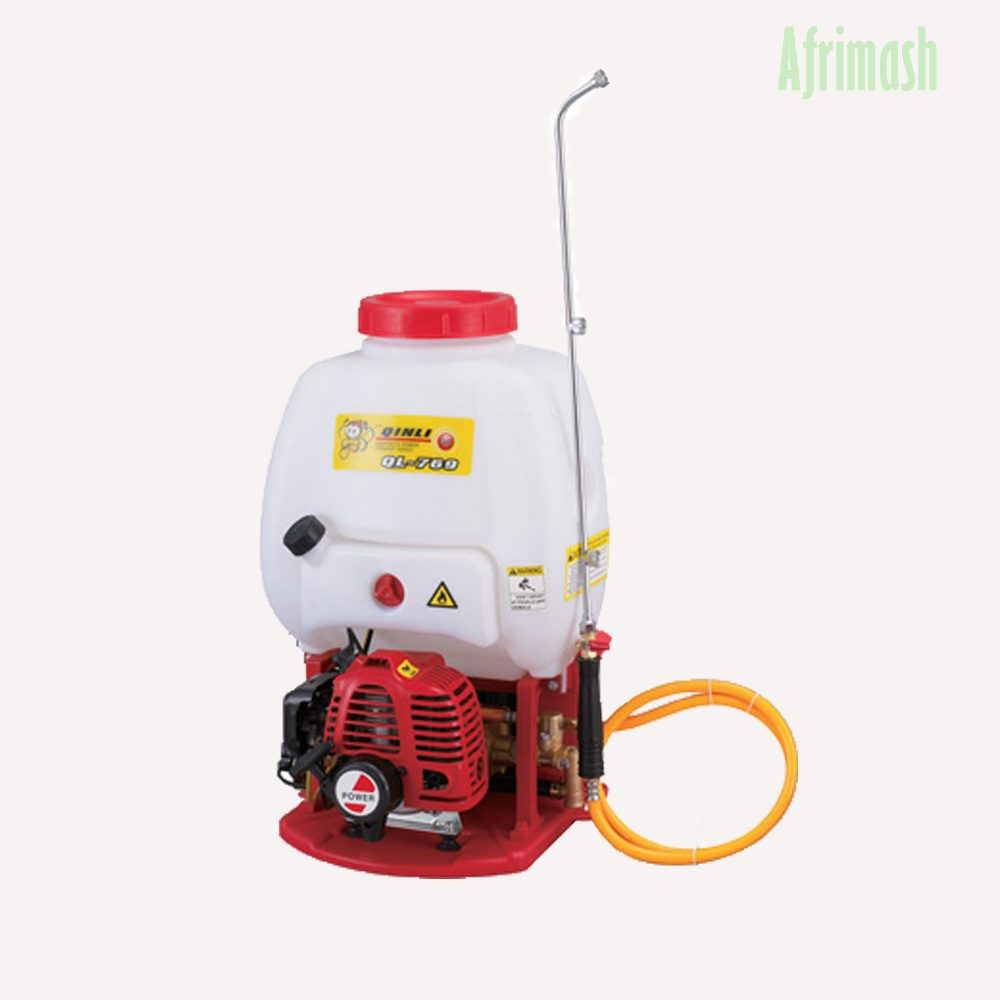
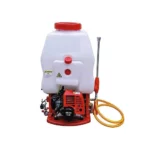
A motorized knapsack sprayer is a portable spraying device with a small engine or motor that powers a pump to disperse liquid chemicals evenly across crops. Unlike traditional, hand-pumped knapsack sprayers, a motorized version reduces the physical effort required and delivers consistent pressure for even coverage, making it ideal for large areas. This sprayer is worn on the back, similar to a knapsack, allowing users to move freely and cover extensive fields with ease.
Motorized knapsack sprayers are versatile and can be used across a range of agricultural applications, including pest control, weed management, and fertiliser applications. These devices are particularly beneficial for medium to large farms where covering vast areas with a manual sprayer would be time-consuming and physically demanding.
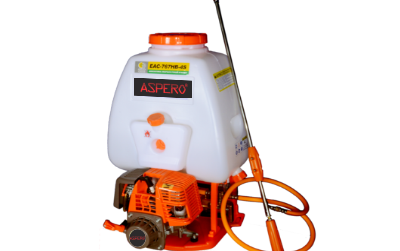
Key Benefits of a Motorized Knapsack Sprayer
Investing in a motorized knapsack sprayer provides several advantages for farmers. Here are some key benefits:
1. Enhanced Efficiency and Speed: One of the primary advantages of a motorized knapsack sprayer is its ability to cover large areas quickly. With a powerful motor driving the spraying process, it operates at a higher speed and with more efficiency than manual counterparts. Farmers can complete spraying tasks faster, leaving more time for other important agricultural activities.
2. Consistent and Even Coverage: Achieving even coverage of chemicals is crucial in ensuring plants receive adequate protection from pests and diseases. The motor in a motorized knapsack sprayer maintains consistent pressure, ensuring a uniform distribution of liquid across all plants. This accuracy minimises chemical wastage, reduces the risk of over or under-application, and contributes to healthier crops.
3. Reduced Physical Strain: For farmers, the physical demands of traditional hand-pump sprayers can be strenuous, especially on large plots. A motorized knapsack sprayer eliminates the need for constant manual pumping, making it a more comfortable and user-friendly option. With less effort required, farmers can work for longer periods without fatigue, increasing productivity.
4. Cost-Effective Investment: Although a motorized knapsack sprayer may involve a higher initial cost compared to manual sprayers, it’s a cost-effective investment in the long run. The increased efficiency, consistent chemical application, and reduced time needed for spraying all contribute to better yields and reduced labour costs, helping to justify the initial expenditure.
How Does a Motorized Knapsack Sprayer Work?
A motorized knapsack sprayer functions using a small engine that powers the spraying mechanism. Here’s a breakdown of its components and how they work together:
-
Engine: The engine, usually a gasoline-powered or battery-operated motor, powers the spraying mechanism. The motor drives the pump, creating pressure for the spraying nozzle.
-
Pump: The pump is responsible for creating and maintaining pressure within the spray tank. This pressure allows liquid chemicals to flow consistently through the nozzle at a set rate.
-
Spray Tank: This tank holds the liquid to be sprayed and is designed to withstand the pressure generated by the pump.
-
Nozzle: The nozzle controls the spray pattern and droplet size, ensuring that the chemicals are evenly dispersed. Different nozzles can be used for various spraying needs, from fine misting to targeted streams.
To operate a motorized knapsack sprayer, the user simply fills the tank with the required liquid, starts the motor, and adjusts the pressure settings as necessary. With the sprayer strapped onto their back, the farmer can move freely through fields, delivering precise and even applications of chemicals.
Key Applications of a Motorized Knapsack Sprayer
A motorized knapsack sprayer can be utilised for several essential tasks in agricultural management:
-
- Pest and Disease Control: One of the primary uses for a motorized knapsack sprayer is pest control. By applying pesticides evenly across crops, farmers can effectively prevent infestations and minimise the risk of crop damage. The sprayer’s powerful motor and consistent spray pattern ensure thorough coverage, reducing the likelihood of pests and diseases taking hold.
- Weed Management: Herbicides are essential for managing weed growth, which can compete with crops for resources. A motorized knapsack sprayer enables farmers to apply herbicides precisely, targeting areas where weed growth is most problematic without affecting the main crops.
- Fertiliser Application: Fertilisers can be sprayed onto crops to provide essential nutrients. A motorized knapsack sprayer ensures even distribution of these nutrients, supporting healthy plant growth and improving yields.
- Disinfecting and Sanitation: In addition to its agricultural uses, a motorized knapsack sprayer can also be used for sanitising livestock areas or disinfecting equipment. This versatility makes it a valuable tool for biosecurity on farms.
Choosing the Right Motorized Knapsack Sprayer
Selecting the right motorized knapsack sprayer for your farm requires considering several factors:
-
- Engine Power: The power of the motor impacts the spraying capacity and pressure. For large farms, a higher-powered engine may be preferable, as it will offer the coverage and force required to complete tasks efficiently.
- Spray Tank Capacity: The size of the spray tank is another important factor. A larger tank means fewer refills, allowing farmers to cover more ground. However, a larger tank may also be heavier, so it’s essential to balance capacity with comfort.
- Weight and Comfort: Since a motorized knapsack sprayer is carried on the back, weight and ergonomics are essential. Choose a model with comfortable straps and consider the overall weight to ensure long periods of use are manageable.
- Nozzle Options: Different nozzles can cater to various applications, so it’s helpful to choose a sprayer with adjustable nozzles or interchangeable options. For example, fine mist nozzles may be ideal for pesticide applications, while a more focused nozzle could be better for herbicide spot treatments.
2-Stroke vs 4-Stroke Motorized Knapsack Sprayers
When choosing a motorized knapsack sprayer, it’s important to understand the differences between 2-stroke and 4-stroke engines, as each offers unique advantages suited to specific needs.
2-Stroke Motorized Knapsack Sprayers
2-stroke sprayers are known for being lightweight, which makes them easier to carry for extended periods. They typically require a mixture of fuel and oil for lubrication and are generally more affordable than their 4-stroke counterparts. Due to their simpler design, 2-stroke engines often have fewer moving parts, resulting in lower maintenance costs. However, they tend to produce more noise and emissions.
Advantages of 2-Stroke Sprayers:
Lightweight and portable
Easier to maintain with fewer parts
Generally less expensive
4-Stroke Motorized Knapsack Sprayers
4-stroke sprayers operate more quietly and produce fewer emissions, making them an environmentally friendlier option. They run solely on petrol without the need for mixing oil and fuel, which can be more convenient. Although they are usually heavier and require more maintenance, 4-stroke engines offer more power and longer operational lifespan, making them ideal for larger farms or intensive spraying tasks.
Advantages of 4-Stroke Sprayers:
Quieter operation with lower emissions
Separate fuel and lubrication systems for ease of use
Longer lifespan and better suited for heavy-duty tasks
Which Should You Choose?
If your focus is on smaller plots or lighter spraying tasks, a 2-stroke motorized knapsack sprayer may be a good fit. For larger operations or when reducing emissions and noise is a priority, a 4-stroke sprayer is typically the better choice.
Maintenance Tips for Motorized Knapsack Sprayers
Proper maintenance of a motorized knapsack sprayer is crucial for longevity and performance:
- Regular Cleaning: Clean the spray tank, nozzle, and filters after each use to prevent clogging and residue buildup.
- Check the Engine: Perform routine engine maintenance, such as oil changes and spark plug checks, to keep the motor running smoothly.
- Inspect Hoses and Connections: Regularly inspect hoses and connections for leaks, cracks, or wear and tear.
- Store Properly: Store the sprayer in a dry, sheltered area away from direct sunlight when not in use. This helps protect the equipment from corrosion and other damage.


2 thoughts on “Motorized Knapsack Sprayer: Boosting Efficiency and Precision on the Farm”
Good one and interesting but still don’t understand wether it is carried about with that engine while spraying.
Thank you.
The engine has been attached to the sprayer already. All you need to is start it, back it, and you start spraying