










Starting a goat business is an exciting venture, but proper stocking in goat business is critical to ensure success. Goats are social, hardy animals that require careful planning when building your herd. From selecting the right number of goats to choosing appropriate breeds and maintaining their health, this guide covers the essentials of stocking in goat business to help you establish a thriving farm.
Why Stocking in Goat Business Matters

Effective stocking in goat business sets the foundation for a productive and sustainable operation. Goats are social creatures that thrive in groups, so it’s unwise to start with just one goat. A minimum of two goats is recommended, but if your budget allows, aim for a starting herd of around ten. This ensures social interaction, reduces stress, and prevents escape attempts, as solitary goats are often uncooperative.
When stocking in goat business, you must decide on the composition of your herd, whether to include females (does), uncastrated males (bucks), or castrated males (wethers). Each type serves a specific purpose, and understanding their roles is key to managing your farm efficiently.
Choosing the Right Goat Types for Your Business
Goats are classified into three main types based on sex:
- Does: Female goats that produce milk and kids after impregnation. They are essential for dairy or breeding operations.
- Bucks: Uncastrated males used for breeding. Bucks require separate enclosures due to their strong odour and aggressive behaviour.
- Wethers: Castrated males that cannot breed or produce milk. They are often kept for meat production or as companions.
For beginners, a practical approach to stocking in goat business is to start with two does and arrange breeding with a buck from another farm. This avoids the challenges of maintaining a buck, which requires extra space and management. If you do keep a buck, ensure it has desirable traits to avoid introducing defects into your herd. A common practice is to maintain one buck for every 25–50 does to optimise breeding.
Selecting the Right Goat Breeds

Choosing the right breed is a critical aspect of stocking in goat business. Goat breeds fall into three categories:
- Indigenous Breeds: These are naturally adapted to harsh environments and are primarily used for meat production. They are also culturally significant in many African communities.
- Meat Breeds: Breeds like Boer, Savanna, and Kalahari Red goats are bred for meat production. While productive, they are more susceptible to diseases than indigenous breeds.
- Dairy Breeds: Imported breeds like Saanen and Toggenburg goats are selected for milk production, ideal for cheese and yoghurt. However, they are highly susceptible to diseases and parasites.
When stocking in goat business, consider your goals—meat, milk, or both—and select breeds that align with your environment and resources.
Basic Management Practices for Stocking in Goat Business
Proper management is essential when stocking in goat business. Here are key practices to ensure a healthy herd:
- Enclosures: Always keep at least two goats per enclosure to satisfy their social needs. Separate bucks from does except during planned breeding to prevent unwanted pregnancies.
- Health Maintenance: Ensure goats have access to quality feed, clean water, and shelter from adverse weather. Implement a vaccination programme, control parasites, and isolate sick goats to prevent disease spread.
- Culling: Regularly monitor your herd and cull goats that frequently fall ill, as they may pass on weak genetics.
- Breeding Ratios: Maintain a ram-to-ewe ratio of 1:20 (5 rams per 100 ewes) for efficient breeding.
Recognising and Treating Sick Goats

Monitoring goat health is a vital part of stocking in goat business. Signs of illness include dullness, listlessness, coughing, diarrhoea, or failure to follow the herd. Abnormal temperatures (too high or too low) also indicate health issues. Prompt treatment and record-keeping are crucial to track which goats require frequent care, allowing you to make informed culling decisions.
Essential Equipment and Supplies for Goat Farmers
To succeed in stocking in goat business, equip your farm with the following:
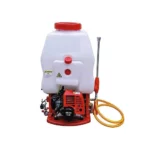
- Equipment: Cooler box, goat book, animal health book, burdizzo, ear tag applicator, hoof trimmers, knapsack sprayer, scale, digital thermometer, and antiseptic supplies.
- Medicines: Disposable syringes, dewormers (e.g., Prodose Orange), antibiotics (e.g., Terramycin), wound sprays, tick grease, and vitamins (e.g., Multivite).
These tools and supplies ensure you can maintain goat health and address issues promptly.
Record-Keeping for Effective Stocking in Goat Business

Accurate record-keeping is indispensable when stocking in goat business. Your records should include:
- The number of goats, categorised by age.
- Birth dates and kid counts for does.
- Mortality details, including age and cause of death.
- Treatment history, including medications used.
- Parentage of kids and the introduction of new rams.
- Sales data, including dates and prices.
Detailed records help you track herd performance, identify weak animals, and make informed decisions to improve productivity.
Basic Information on Indigenous Goats
For those focusing on indigenous breeds in stocking in goat business, key statistics include:
- Gestation Period: Approximately 150 days (5 months).
- Birth Weight: 2.5 kg.
- Weaning Weight: 12–15 kg.
- Mature Weight: Females 35–40 kg, males 45–50 kg.
- Breeding Age for Ewes: 9 months.
- Main Kidding Seasons: April–June or September–December.
- Lifespan: 10–12 years.
These traits make indigenous goats a resilient choice for beginners.
Conclusion
Stocking in goat business requires careful planning, from selecting the right number and type of goats to choosing appropriate breeds and maintaining their health. By starting with at least two goats, separating bucks and does, and investing in proper equipment and record-keeping, you can build a sustainable and profitable goat farm. Whether you focus on meat or dairy production, understanding the needs of your herd and implementing best practices will ensure long-term success in your goat business.
READ ALSO: 7 Essential Tips for Success in Goat Farming