


Discover how Agritech is revolutionizing global food production. Explore innovative solutions like precision agriculture, vertical farming, and GMOs that address food shortages, climate change, and malnutrition.
The world is facing a food crisis. Rising populations, climate change, and geopolitical tensions are straining global food systems, leading to food shortages, price hikes, and malnutrition. This crisis is not merely a matter of hunger; it has far-reaching implications for economic stability, social unrest, and global health.
Agritech, a combination of agriculture and technology, is emerging as a beacon of hope in this challenging landscape. By leveraging innovative solutions, agritech has the potential to revolutionize the way we produce, distribute, and consume food. From precision farming and sustainable agriculture to food waste reduction and supply chain optimization, agritech offers a comprehensive approach to addressing the global food crisis.
In this blog post, we will explore the key challenges facing our food systems and delve into the innovative solutions that agritech is offering. We will examine how agritech can help increase food production, improve food quality, and ensure a more sustainable and equitable food future for all.
Precision Agriculture: Revolutionizing Farming with Agritech
Precision agriculture, also known as smart farming or digital agriculture, is a modern approach to farming that uses technology to optimize agricultural practices. Unlike traditional farming methods, which rely on general assumptions and manual labor, precision agriculture leverages data-driven insights and automation to improve crop yields, reduce costs, and minimize environmental impact.
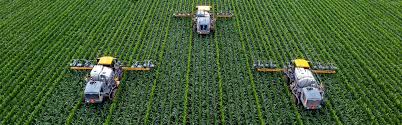
How Technology is Driving Precision Agriculture
Several cutting-edge technologies are playing a pivotal role in transforming the agricultural landscape:
- Drones: Equipped with high-resolution cameras and sensors, drones can capture aerial images and data of fields. This information helps farmers monitor crop health, identify pests and diseases, and assess water usage.
- Sensors: Various sensors, including soil moisture sensors, temperature sensors, and yield monitors, collect real-time data about field conditions. This data is used to optimize irrigation, fertilization, and harvesting practices.
- Artificial Intelligence (AI): AI algorithms can analyze vast amounts of data to identify patterns and make predictions. This enables farmers to make informed decisions about planting, harvesting, and resource allocation.
Successful Implementation of Precision Agriculture
Precision agriculture has already shown remarkable results in many regions. Here are a few examples:
- Yield Optimization: In the United States, farmers have used precision agriculture to increase crop yields by up to 20% by tailoring fertilizer and irrigation applications to specific areas of their fields.
- Pest and Disease Management: In India, drone-based monitoring has helped farmers detect and address pest infestations early, reducing crop losses.
- Water Conservation: In Australia, precision irrigation systems have enabled farmers to conserve water by up to 30% while maintaining crop productivity.
As technology advances, precision agriculture is poised to become an even more essential tool for sustainable and efficient farming. By embracing Agritech solutions, farmers can enhance their operations, improve food security, and contribute to a healthier planet.
READ ALSO: Precision Agriculture: Diving Into The Future of Farming
Agritech Revolution: The Rise of Vertical Farming in Nigeria

Vertical farming is a revolutionary agricultural method that involves growing crops in stacked layers, often indoors. This innovative approach utilizes artificial lighting, controlled environments, and hydroponics or aeroponics to cultivate plants efficiently.
Benefits of Vertical Farming
- Year-Round Production: Unlike traditional agriculture, vertical farming allows for continuous crop production, regardless of weather conditions. This ensures a steady supply of fresh produce throughout the year.
- Reduced Water Usage: Vertical farming systems often employ hydroponics or aeroponics, which use significantly less water compared to traditional irrigation methods. This is particularly beneficial in regions with limited water resources.
- Controlled Environment: By creating controlled environments, vertical farms can optimize factors such as temperature, humidity, and CO2 levels to maximize plant growth and yield.
- Reduced Pesticide Use: The controlled environment and reduced pest pressure in vertical farms minimize the need for pesticides, promoting sustainable and healthy food production.
Successful Vertical Farming Initiatives in Nigeria
Nigeria has witnessed a growing interest in vertical farming as a solution to agricultural challenges. Here are some notable initiatives:
- Urban Farms: Several cities in Nigeria have established urban farms that utilize vertical farming techniques to produce fresh vegetables and herbs for local communities.
- Research and Development: Nigerian universities and research institutions are actively engaged in studying and developing vertical farming technologies to suit the country’s specific needs.
- Government Support: The Nigerian government has recognized the potential of vertical farming and is providing support through policies and funding to encourage its adoption.
Agritech: The GMO Debate
Genetically Modified Organisms (GMOs) have been a subject of intense debate for decades. These organisms, created through the introduction of foreign genes, offer the potential to revolutionize agriculture. However, they also raise concerns about their safety and environmental impact. This blog post will delve into the GMO debate, exploring the potential benefits, addressing concerns, and discussing regulatory measures.
Potential Benefits of GMOs
GMOs offer several potential benefits for agriculture, including:
- Increased Crop Yields: By introducing genes that enhance growth or resistance to environmental factors, GMOs can increase crop yields, helping to address global food shortages.
- Pest Resistance: GMOs can be engineered to produce natural pesticides or to be resistant to pests, reducing the need for chemical pesticides and protecting crops.
- Improved Nutritional Content: GMOs can be modified to have higher levels of essential nutrients, such as vitamins and minerals, improving the nutritional value of food.
- Drought Tolerance: GMOs can be developed to be more tolerant of drought conditions, making them better suited for regions with limited water resources.
Concerns About GMOs
Despite the potential benefits, GMOs also raise several concerns, including:
- Environmental Impact: There are concerns that GMOs could have negative environmental impacts, such as the spread of genetically modified genes to wild populations or the development of herbicide-resistant weeds.
- Health Risks: Some people are concerned about the potential health risks associated with consuming GMOs, although there is no scientific evidence to support these concerns.
- Social and Economic Issues: The introduction of GMOs can have social and economic implications, such as the potential for increased corporate control over the food supply and the displacement of small farmers.
Regulatory Measures
To address concerns about GMOs, many countries have implemented regulatory measures to oversee their development and commercialization. These measures typically involve:
- Risk Assessment: Before a GMO can be commercialized, it must undergo rigorous risk assessment to evaluate its potential environmental and health impacts.
- Labeling: Many countries require GMOs to be labeled, allowing consumers to make informed choices about the food they purchase.
- Monitoring and Surveillance: Regulatory agencies monitor the environment and public health for any adverse effects associated with GMOs.
Agritech: A Deep Dive into Hydroponics and Aquaponics
Hydroponics and aquaponics are innovative agricultural techniques that have gained significant traction in recent years. These methods offer a sustainable and efficient alternative to traditional soil-based agriculture. While both involve growing plants without soil, they have distinct approaches and benefits.
Understanding Hydroponics and Aquaponics
Hydroponics is a method of growing plants in a nutrient-rich solution, rather than soil. This solution can be circulated continuously or recirculated, allowing for precise control of nutrient levels. Hydroponic systems can be used to grow a wide variety of plants, including leafy greens, herbs, and fruits.
Aquaponics, on the other hand, combines hydroponics with aquaculture (fish farming). The waste products from the fish, such as ammonia, are converted by beneficial bacteria into nitrates, which are essential nutrients for plant growth. The nutrient-rich water is then circulated to the hydroponic system to feed the plants. This symbiotic relationship creates a closed-loop system that minimizes waste and maximizes resource efficiency.
Advantages of Hydroponics and Aquaponics
- Efficient Water Usage: Both hydroponics and aquaponics use significantly less water than traditional agriculture. In hydroponics, the nutrient solution is recirculated, reducing water waste. In aquaponics, the fish waste provides nutrients for the plants, eliminating the need for external fertilizers.
- Reduced Pesticide Use: Since hydroponic and aquaponic systems are controlled environments, pests and diseases are easier to manage. This allows for a significant reduction in the use of pesticides, benefiting both the environment and human health.
- Year-Round Production: These methods can be used to grow crops year-round, regardless of the climate. This provides a stable supply of fresh produce and reduces reliance on imports.
- Higher Yields: Hydroponic and aquaponic systems often produce higher yields per square foot than traditional agriculture. This is due to the optimized growing conditions and efficient use of resources.
Examples of Successful Hydroponic and Aquaponic Farms
There are numerous examples of successful hydroponic and aquaponic farms around the world. One notable example is Vertical Harvest in Wyoming, which operates a large-scale hydroponic greenhouse. The farm produces a variety of leafy greens and herbs, using a vertical growing system to maximize space efficiency.
Another example is Clear Springs Foods in Idaho, which has integrated aquaponics into its trout farming operations. The fish waste is used to fertilize a hydroponic system that grows leafy greens and herbs. This innovative approach has allowed the company to reduce its environmental impact and diversify its product offerings.
As the demand for sustainable and efficient food production continues to grow, hydroponics and aquaponics are poised to play a vital role in the future of agriculture. These innovative techniques offer a promising solution to the challenges of food security and environmental sustainability.

