


Discover the journey of Nigerian agriculture from pre-colonial times to the present day. Learn about the role of organizations like Afrimash in promoting sustainable agriculture and empowering rural communities.
On October 1st, 1960, Nigeria achieved independence from British colonial rule, marking a momentous occasion in the nation’s history. This day commemorates the birth of a sovereign nation, free to determine its destiny. As Nigeria celebrates its independence, it’s worth reflecting on the significant strides made in various sectors, particularly agriculture

Agriculture has played a pivotal role in Nigeria’s history and economy, serving as the nation’s backbone for centuries. From subsistence farming to large-scale commercial agriculture, the sector has been instrumental in providing food security, generating income, and supporting rural livelihoods.
Nigerian agriculture has made significant strides since independence, contributing to the nation’s growth and development.
This blog post will delve into the evolution of Nigerian agriculture, highlighting the key milestones, challenges, and opportunities that have shaped its trajectory. We will also explore the contributions of organizations like Afrimash in driving agricultural innovation and sustainable practices.
Nigerian Agriculture: A Historical Journey
Pre-Colonial Agriculture
Before the arrival of European colonizers, Nigerian agriculture was primarily subsistence-based. Indigenous communities relied on traditional farming methods to grow crops like yams, cassava, maize, and rice for their sustenance. These practices were deeply ingrained in local cultures and often involved communal land ownership and traditional knowledge.
The Impact of Colonial Rule
The colonial era brought significant changes to Nigerian agriculture. The British introduced cash crops like cocoa, palm oil, and groundnuts to generate revenue for the colonial administration. This shift from subsistence farming to cash crop production had profound implications, including:
- Land Ownership: The colonial government implemented land reforms that disrupted traditional land ownership patterns. The land was alienated from indigenous communities and granted to European settlers and companies.
- Infrastructure Development: While the colonial government invested in transportation and infrastructure, these developments often favored cash crop production and export rather than local food security.
- Monoculture: The emphasis on cash crops led to monoculture, which made agriculture vulnerable to pests, diseases, and market fluctuations.
Post-Independence Agricultural Policies
Following independence in 1960, Nigeria implemented various agricultural policies aimed at promoting food security, industrialization, and rural development. Some notable initiatives include:
- Green Revolution: The Nigerian government adopted the Green Revolution strategy, which involved the introduction of high-yielding varieties of crops and the use of modern agricultural technologies.
- Agricultural Development Projects: Several agricultural development projects were launched to improve infrastructure, research, and extension services.
- Diversification: Efforts were made to diversify the agricultural sector and reduce reliance on cash crops.
Nigeria’s Agricultural Landscape: A Deep Dive
Agriculture remains a cornerstone of Nigeria’s economy, providing sustenance for millions and driving significant export earnings. Let’s explore some of the key sectors within this vital industry.
Crop Production
- Staple Crops: Cassava, maize, and rice are the primary staples in Nigerian diets. They are widely cultivated across the country, ensuring food security for the population.
- Cash Crops: Cocoa, palm oil, and rubber have long been major cash crops in Nigeria, contributing significantly to the country’s export revenue. These crops are often grown in large plantations, particularly in the southern regions.
- Emerging Crops: Soybeans and sesame are gaining prominence as alternative cash crops. Their cultivation offers opportunities for diversification and increased income for farmers.
Livestock Production
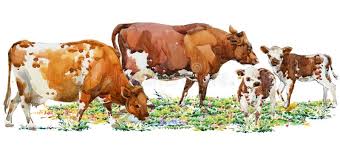
- Cattle, Poultry, Goats, Sheep, Pigs: These animals form the backbone of Nigeria’s livestock industry. They are raised for meat, milk, eggs, and hides.
- Challenges and Opportunities: The livestock sector faces challenges such as diseases, climate change, and limited access to feed and markets. However, there are also opportunities for growth through improved breeding practices, better infrastructure, and value-added processing.
Fisheries
- Inland and Marine Fisheries: Nigeria boasts a vast coastline and numerous inland water bodies, providing a rich fishing environment. Both marine and inland fisheries contribute to the country’s food supply and export earnings.
- Importance of Fisheries: Fisheries play a crucial role in food security, especially in coastal areas. They also provide employment opportunities and generate foreign exchange through the export of fish and seafood products.
Forestry
- Forest Resources and Their Economic Value: Nigeria is endowed with diverse forest resources, including rainforests, savanna woodlands, and mangrove forests. These forests provide timber, fuelwood, medicinal plants, and ecosystem services.
- Sustainable Forestry Practices and Conservation Efforts: The unsustainable exploitation of forests has led to deforestation and environmental degradation. Promoting sustainable forestry practices and conservation efforts is essential for preserving Nigeria’s forest resources and ensuring their long-term economic benefits.
As Nigeria continues to develop, the agricultural sector will remain a vital driver of its economy. By addressing challenges, promoting sustainable practices, and investing in research and technology, the country can unlock its full agricultural potential and improve the livelihoods of its people.
Challenges and Opportunities in Nigerian Agriculture
Land Degradation and Soil Erosion: A Growing Concern
One of the most pressing challenges facing Nigerian agriculture is land degradation and soil erosion. This is primarily caused by deforestation, overgrazing, and unsustainable farming practices. These issues not only reduce agricultural productivity but also contribute to climate change and environmental degradation.
Climate Change: A Looming Threat
Climate change is another major challenge for Nigerian agriculture. Rising temperatures, erratic rainfall patterns, and extreme weather events are increasingly affecting crop yields and livestock health. This poses a significant threat to food security and the livelihoods of millions of Nigerians who depend on agriculture.
Infrastructure Deficiencies: Hampering Progress
Lack of adequate infrastructure, such as roads, storage facilities, and processing plants, is a major constraint to the growth of Nigerian agriculture. This makes it difficult for farmers to transport their produce to markets and access essential inputs like fertilizers and seeds.
Limited Access to Finance and Technology
Many Nigerian farmers struggle to access the finance and technology needed to improve their productivity. This is due to a variety of factors, including high interest rates, limited collateral, and a lack of awareness about available financial products and technologies.
Government Initiatives and Policies: A Catalyst for Change
The Nigerian government has implemented several initiatives and policies to address the challenges facing the agricultural sector. These include agricultural credit programs, extension services, and investments in rural infrastructure. These efforts aim to improve farmers’ access to resources and support the development of sustainable agriculture.
Private Sector Investment and Partnerships: Driving Growth
Private sector investment and partnerships are also playing a crucial role in the growth of Nigerian agriculture. Companies are investing in agricultural value chains, processing facilities, and technology. These investments can help to create jobs, improve market access, and increase the competitiveness of Nigerian agricultural products.
Emerging Technologies: The Future of Agriculture
Emerging technologies, such as precision agriculture, biotechnology, and renewable energy, offer significant opportunities for enhancing agricultural productivity and sustainability in Nigeria. These technologies can help farmers optimize resource use, reduce environmental impact, and improve the quality and safety of their products.
Export Markets: A Growing Opportunity
Nigeria has the potential to become a major exporter of agricultural products to global markets. The country has a diverse range of crops and livestock, and there is increasing demand for high-quality agricultural products from African countries. By investing in value addition and improving market access, Nigeria can capitalize on this opportunity and generate significant economic benefits.
Success Stories and Best Practices in Sustainable Agriculture
Afrimash: A Beacon of Sustainable Agriculture in Nigeria

Afrimash, a leading agricultural technology company in Nigeria, has been at the forefront of driving sustainable agricultural practices and empowering rural communities. Their innovative solutions, coupled with a strong commitment to environmental stewardship, have resulted in significant success stories.
One notable example is Afrimash’s partnership with local farmers in the Northern region. By providing access to high-quality seeds, advanced farming techniques, and market linkages, Afrimash has helped farmers increase their yields and improve their livelihoods. This has not only contributed to food security but has also alleviated poverty in the region.
As Nigeria celebrates its Independence Day, it’s imperative to recognize the pivotal role agriculture has played in the nation’s development. From its pre-colonial roots to its current state, the agricultural sector has faced numerous challenges and opportunities. By addressing these challenges and leveraging the potential of emerging technologies, Nigeria can unlock its full agricultural potential and ensure a sustainable future for its people. Organizations like Afrimash are leading the way in driving agricultural innovation and sustainable practices, paving the way for a more prosperous and resilient Nigeria.

