










Protect your pig herd from devastating disease outbreaks with essential prevention strategies. Learn how to safeguard your pig farm and minimize losses.
Pig production, a cornerstone of many agricultural economies, is fraught with challenges. Among the most devastating are disease outbreaks, which can lead to substantial economic losses, animal welfare concerns, and public health risks. This blog post delves into the critical aspects of preventing and managing disease outbreaks in pig production.
We will explore effective biosecurity measures, early detection strategies, and response plans to safeguard your swine herd and maintain optimal productivity. By understanding the potential threats and implementing proactive measures, pig farmers can significantly reduce the risk of disease outbreaks and protect their livelihoods. If you own or work on a pig farm, you need to know how to prevent and manage disease outbreaks. You don’t want your hard-working animals to become ill, and end up costing you thousands of naira.
A pig disease outbreak can be a farmer’s worst nightmare. With the potential to wipe out up to 90% of a swine population, these devastating events can cause financial ruin and emotional heartbreak. The ripple effects extend far beyond the farm, impacting food supply chains, consumer confidence, and economies worldwide.
In this comprehensive guide, we will explore the critical steps to prevent such a catastrophic event from befalling your pig farm. By understanding the common threats, implementing robust biosecurity measures, and staying vigilant, you can significantly reduce the risk of disease outbreaks and safeguard your herd’s health and your livelihood.

Pig Production: Shield Your Herd from Devastating Disease Outbreaks
Understanding Pig Diseases: A Farmer’s Lifeline
Pig farming, while potentially lucrative, is fraught with risks, the most significant being disease outbreaks. These can decimate herds, leading to substantial financial losses and emotional distress. A proactive approach to pig health is crucial for ensuring the sustainability of your farm.
Common Pig Diseases and Their Symptoms
Several diseases can wreak havoc on your piggery. Some of the most prevalent include:
Swine Influenza: Similar to human flu, it causes respiratory symptoms like coughing, sneezing, and fever.
African Swine Fever (ASF): Characterized by high fever, loss of appetite, red or purple skin lesions, and difficulty breathing. Mortality rates can be as high as 100%.
Classical Swine Fever (CSF): Symptoms include high fever, loss of appetite, vomiting, diarrhea, and neurological signs like tremors and paralysis.
Foot and Mouth Disease (FMD): Causes blisters on the mouth, feet, and teats, leading to lameness, decreased milk production, and weight loss.
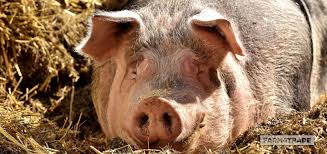
Some of the important infectious diseases of pigs in Nigeria include
- Classical swine fever or Hog cholera is a highly devastating viral infection of pigs. It is highly contagious and the signs to look out for in infected pigs include the following; multiple red spots on the surface of the skin of the pigs, incoordination, and partial or complete paralysis. Ensure adequate biosecurity measures on the farm; limit exposure to your farm and practice disinfection practices as often as possible.
- Respiratory disorder/ Pneumonia: This is considered a bacterial infection and is frequently caused by Pasteurella sp. Signs to look out for include dullness, weakness, high fever, coughing and sneezing, breathing problems, and nasal discharge. Appropriate antibiotics can be used for treating the condition.
Diarrhea in pigs (Colibacillosis): This disease affects young pigs and is the leading cause of neonatal mortalities, caused by a pathogenic strain of Escherichia coli in piglets. Signs of infection include diarrhea, weakness, and inability to stand up
The Economic Impact of Pig Diseases
The economic consequences of a pig disease outbreak are far-reaching. Direct losses include:
- Death of animals
- Reduced growth rates
- Decreased feed conversion
- Increased veterinary costs
- Loss of market access
Indirect losses encompass:
- Damage to the farm’s reputation
- Reduced income
- Potential bankruptcy
The Importance of Early Detection and Prevention
Early detection is key to mitigating the impact of a disease outbreak. Regular health checks, proper biosecurity measures, and vaccination programs are essential.
Prevention is always better than cure. Implement the following strategies:
Professional Help: Consult with a veterinarian for disease prevention an
Biosecurity: Restrict access to the farm, disinfect equipment and vehicles, and practice good hygiene.
Vaccination: Adhere to recommended vaccination schedules for major diseases.
Nutrition: Provide a balanced diet to boost pigs’ immune systems.
Hygiene: Maintain clean housing and equipment.
Isolation: Quarantine new animals before introducing them to the main herd.Monitoring: Regularly check pigs for signs of illness.
Other Pig management practices
Proper sanitation and adequate feeding with colostrum confer immunity on the pigs. Oral rehydration therapy along with antibiotics is useful for the treatment of the affected piglets.
- Removal of sick or infected animals. When signs of disease presence are noticed it is important that unproductive animals are isolated and kept out of the flock to prevent disease spread.
Castration of Piglets: Due to the prolific nature of pigs, the presence of too many male piglets on the farm is not necessary, hence most of the males that are unfit for breeding should be castrated just after weaning and fattened for eventual sale for meat purposes.